September 15, 2026
Common Furnace Problems in Branson Homes and How to Spot Them Early
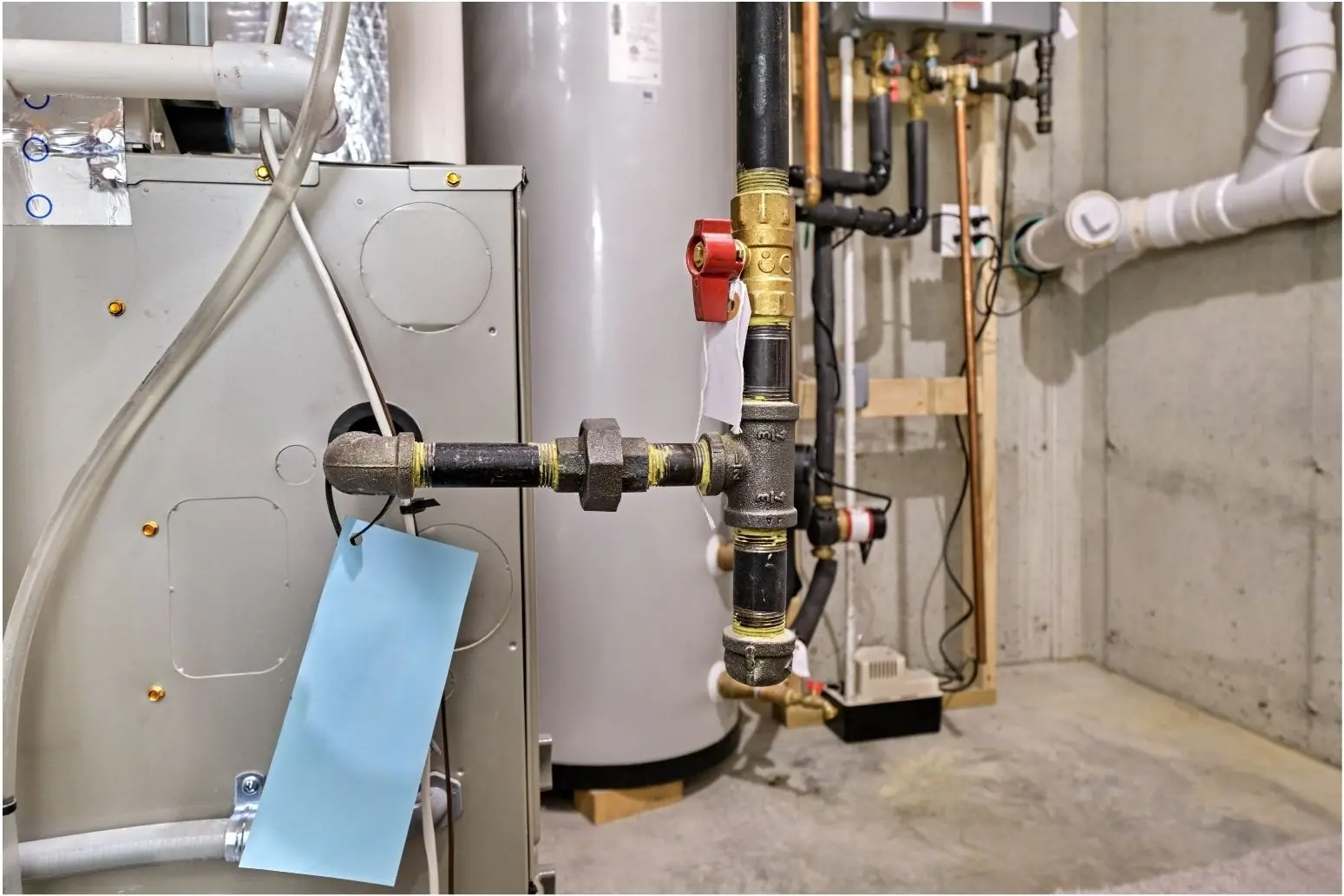
Furnaces almost always warn you before they quit. A new sound, a slight smell, heat that doesn't feel quite right. Most homeowners notice these things and hope they resolve on their own. Learning to read those early signals is what separates a routine furnace repair in Branson, MO from a no-heat emergency in the middle of January.
This guide covers the problems we see most often in Branson homes, what specific symptoms actually mean, which checks you can safely do yourself, and the handful of situations where you should stop troubleshooting and call immediately. Knowing the difference protects both your comfort and your family's safety.
The Most Common Furnace Problems We See
Across hundreds of Branson service calls each heating season, a handful of issues account for the majority of furnace failures. Here's what tends to go wrong and why.
Ignition System Failures
This is the single most common cause of a furnace that won't produce heat in Branson homes. Modern furnaces use either a hot surface igniter or an electronic spark ignition, and both wear out over time. Hot surface igniters are fragile and degrade with every heating cycle, typically failing without warning. If your blower runs but no heat comes out, ignition is the first thing a technician checks.
Dirty Flame Sensors
The flame sensor confirms a flame is present after the gas valve opens. It's a safety device that does its job well. But it accumulates a thin carbon coating over time, and once it can't detect the flame reliably, it shuts the furnace down. The classic symptom is a furnace that lights, runs briefly, then shuts off repeatedly.
Blower Motor Problems
The blower moves heated air through your ductwork. When the motor wears, bearings fail, or the blower wheel accumulates debris, you get weak airflow, unusual noises, or no air movement at all. A struggling blower also makes the furnace overheat, which triggers safety shutdowns.
Thermostat Issues
Sometimes the furnace is fine and the thermostat is the problem. Dead batteries, wiring that has come loose, or a unit that's simply reading temperature inaccurately can all leave you cold. It's worth ruling out before assuming the worst, since this is the cheapest fix on the list.
Clogged Air Filters
A neglected filter restricts airflow badly enough that the furnace overheats and shuts down on its safety limit. This is the most preventable problem we encounter, and it causes a surprising number of no-heat calls every winter across Branson.
Why a Furnace Blows Cold Air or Won't Turn On
These two complaints bring in more calls than any others. Each has several possible causes, and the pattern of the symptom narrows it down.
Blowing Cold Air
If air is moving but isn't warm, likely causes include a failed igniter, a dirty flame sensor, a thermostat fan left on ON instead of AUTO, an overheated furnace tripping its limit switch, or a gas supply issue. The pattern narrows it down. Air that starts warm then turns cold points to overheating or flame sensor trouble, while air that's never warm points to ignition or gas supply.
Furnace Won't Turn On At All
Complete silence usually traces to a power problem, a tripped breaker, a thermostat failure, a safety switch that has opened, or a blocked flue preventing the pressure switch from closing. The U.S. Department of Energy recommends verifying power and thermostat settings before assuming equipment failure, and that's genuinely good advice. A surprising number of calls resolve at the breaker panel.
What Strange Smells and Sounds Actually Mean
Your furnace communicates through sound and smell. Learning the vocabulary helps you judge urgency.
Sounds and Their Causes
- Banging at startup. Often delayed ignition, where gas builds up briefly before lighting. This deserves prompt attention.
- Screeching or squealing. Usually a blower motor bearing or belt problem.
- Rattling. Loose panels or ductwork, generally minor but worth tightening.
- Clicking that doesn't lead to ignition. The igniter is trying and failing to start the burner.
- Grinding. Metal-on-metal contact. Shut the system off and call.
Smells and What They Signal
- Dusty burning on first use. Normal. Dust burning off after months of inactivity, clearing within an hour.
- Persistent burning or electrical smell. Not normal. Could mean overheating components or wiring problems.
- Rotten egg or sulfur. This is added to natural gas as a warning. Treat it as an emergency, covered below.
- Musty or moldy. Moisture in the system or ductwork, worth investigating for air quality reasons.
Short Cycling: Causes and Why It Matters
Short cycling means your furnace starts, runs briefly, shuts off, then restarts minutes later without completing a full heating cycle. It's easy to overlook because the house may still feel warm enough, but it causes real damage to Branson systems over a season.
Common causes include:
- A clogged filter restricting airflow and causing overheating
- A dirty flame sensor losing sight of the flame
- Blocked vents or closed registers throughout the home
- A thermostat placed in a bad location, such as near a heat source
- An oversized furnace that heats the space too quickly
The risk is cumulative wear. Starting a furnace is the hardest thing it does, and repeated starts stress the igniter, blower motor, and heat exchanger far more than steady operation. Left alone, short cycling shortens equipment life and raises your heating bills. Regular heating maintenance catches most of these causes before they escalate.
Safe Checks to Try Before Calling
Some furnace problems resolve in five minutes. Branson homeowners should work through these before scheduling service, and if none help, you'll have useful information for the technician.
- Check the thermostat. Confirm it's set to HEAT, the temperature is above the current room reading, and the fan is on AUTO. Replace the batteries if it uses them.
- Inspect the air filter. Hold it up to a light. If light doesn't pass through, replace it and give the system time to reset.
- Check the breaker panel. Look for a tripped breaker labeled furnace, air handler, or HVAC. Reset once. If it trips again, stop and call.
- Find the furnace power switch. Most furnaces have a switch nearby that looks like a light switch. It gets flipped accidentally more often than you'd think.
- Open closed registers. Closing too many vents restricts airflow and can cause overheating and shutdowns.
- Clear the area around the furnace. Stored items too close to the unit can block combustion air.
Stop there. Opening the furnace cabinet, adjusting gas components, or bypassing safety switches is not homeowner territory. Those systems protect you, and working around them creates real risk.
When a Furnace Problem Is an Emergency
Most furnace issues are inconvenient rather than dangerous. A few are genuinely urgent, and recognizing them matters. The American Red Cross provides clear guidance on both carbon monoxide and gas safety that every household should know.
Gas Smell
If you smell rotten eggs or sulfur, do not touch light switches, appliances, or your phone inside the house. Leave immediately, take everyone with you, and call your gas utility from outside. This takes priority over everything else.
Carbon Monoxide Alarm
If a CO detector sounds, get everyone outside into fresh air and call emergency services from outside. Carbon monoxide is colorless and odorless, so the alarm is your only warning. Headache, dizziness, nausea, or confusion affecting multiple people is another reason to evacuate immediately.
Visible Flame Problems or Smoke
Flames outside the burner area, a persistently yellow or flickering flame instead of steady blue, or smoke coming from the furnace all warrant shutting the system off and calling for service right away.
For anything short of these situations, a scheduled service call is the right response. We provide furnace repair throughout Hollister, Branson, Reeds Spring, and the Table Rock Lake area.
How Stocked Trucks Enable Same-Day Repair
The most frustrating outcome of a service call is a technician diagnosing the problem, then telling you the part has to be ordered. You stay cold, and you wait.
We stock our trucks with the components that fail most often, which means the majority of furnace repairs get completed during the first visit:
- Hot surface igniters in common configurations
- Flame sensors
- Capacitors and contactors
- Limit switches and pressure switches
- Standard filters and common thermostats
For specialty parts on older equipment, we're upfront about timing and source them quickly. And for homeowners who would rather avoid repair calls altogether, a maintenance plan catches most of these failures during seasonal service instead of on a cold night.
Furnace Acting Up? Let's Take a Look
You don't need to diagnose the problem yourself. If your furnace is making new noises, blowing cold air, short cycling, or refusing to start, our technicians will find the cause and explain it plainly, with written pricing before any work begins. Most repairs finish the same day thanks to fully stocked trucks.
Ready to schedule? Call (417) 757-0106 or request a free estimate at nowheatcool.com. Same-day and next-day appointments available across Branson and the Table Rock Lake area.
Frequently Asked Questions
Why is my furnace blowing cold air?
Common causes include a failed igniter, a dirty flame sensor, a thermostat fan set to ON instead of AUTO, or an overheated furnace tripping its limit switch. Check the thermostat setting and filter first, then call if it persists.
Why does my furnace turn on and off repeatedly?
That's short cycling, usually caused by a clogged filter, dirty flame sensor, blocked vents, or poor thermostat placement. It stresses components and raises bills, so it's worth addressing rather than ignoring.
Is a burning smell from my furnace dangerous?
A dusty burning smell during the first use of the season is normal and clears within an hour. A persistent burning or electrical smell is not normal and should be checked. A rotten egg smell means gas, so leave and call from outside.
What should I check before calling for furnace repair?
Verify the thermostat is on HEAT with fresh batteries, check the air filter, look for a tripped breaker, confirm the furnace power switch is on, and make sure registers are open. Stop there and call if none of it helps.
When is a furnace problem an emergency?
A gas smell, a carbon monoxide alarm, visible flames outside the burner area, or smoke from the unit are all emergencies. Leave the home and call from outside. Everything else can wait for a scheduled service call.
Can most furnace repairs be done the same day?
Yes, in most cases. We stock trucks with the parts that fail most often, including igniters, flame sensors, and switches, so the majority of repairs finish during the first visit rather than requiring a return trip.