July 1, 2026
How to Lower Your AC Bills During a Branson Summer
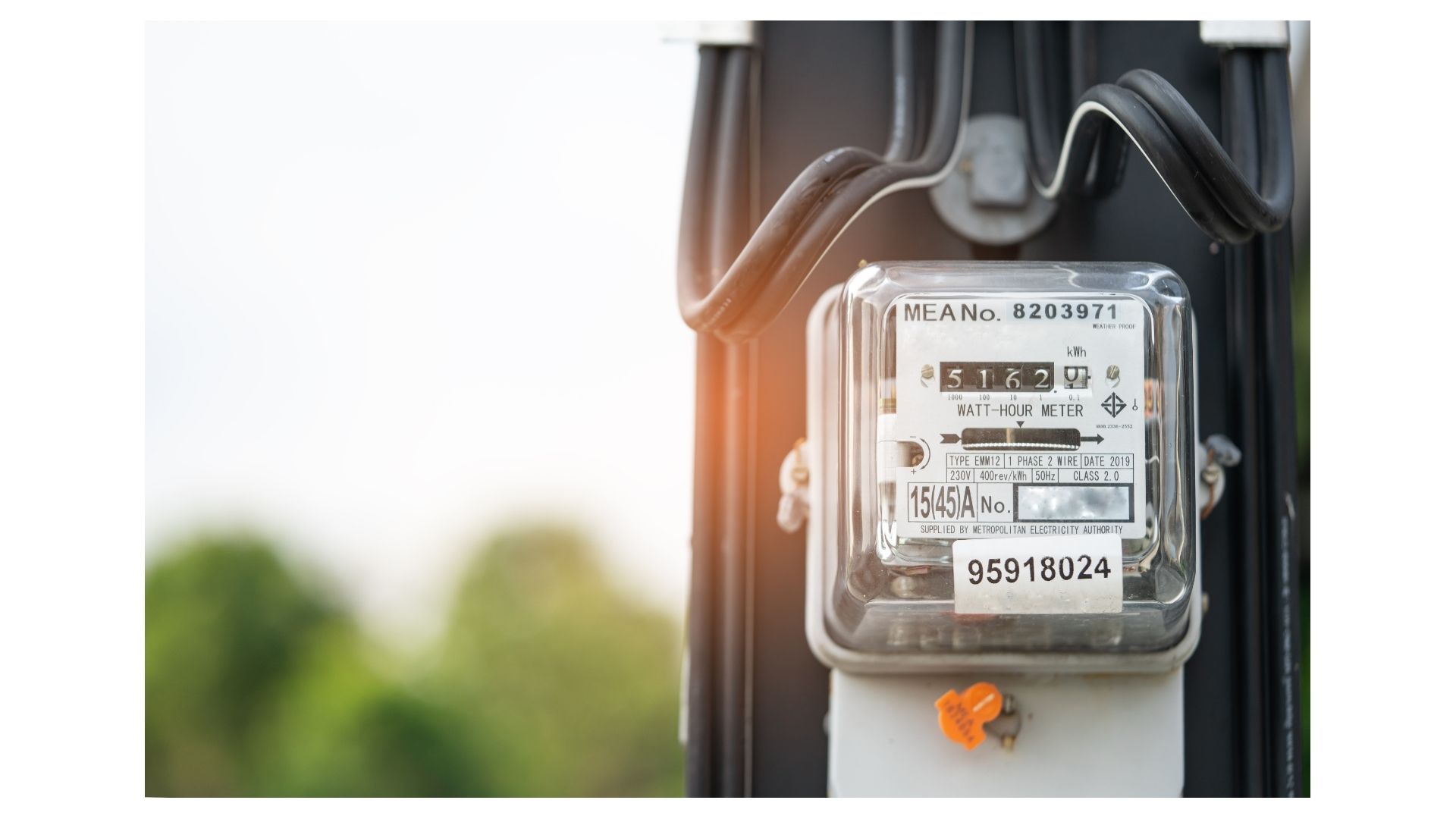
If your electric bill jumps every summer and you dread opening it, you're not alone. Cooling is the single biggest energy expense for most Ozarks households during the hot months, and learning how to lower AC bills in Branson MO can put real money back in your pocket without leaving you sweating. The good news is that most of the savings come from small, practical changes you can start today.
In this guide, we'll explain why Branson summers are so hard on your wallet, then walk through the most effective ways to cut cooling costs, from thermostat habits and filter changes to sealing leaks and knowing when an aging system is the real problem. By the end, you'll have a clear plan to stay comfortable and spend less.
Why Branson Summers Drive Cooling Bills So High
Before you can cut your bills, it helps to understand why they climb so fast in the first place. A few factors specific to our region make cooling especially expensive:
- High humidity. Your AC isn't just cooling the air, it's also pulling moisture out of it. That extra work uses more energy. Branson's humid summers force your system to run harder than it would in a dry climate.
- A long cooling season. From May through September, your AC may run almost every day. That's roughly 150 days of cooling, far more than homes in cooler northern states.
- Hot, sunny days. Long stretches of direct sun heat up your roof, walls, and windows, adding to the load your AC has to overcome.
- Older or poorly maintained systems. An aging or neglected AC uses far more electricity to deliver the same comfort, quietly inflating your bill month after month.
The encouraging part is that nearly every one of these factors can be managed. Let's look at how.
Set Your Thermostat the Smart Way
Your thermostat is the single most powerful tool you have for controlling cooling costs. Here's how to use it wisely:
Understand the Cost of Every Degree
Every degree you lower your thermostat in summer can add roughly 3 to 5% to your cooling costs. According to the U.S. Department of Energy, setting your thermostat as high as comfort allows and minimizing the difference between indoor and outdoor temperatures is one of the most effective ways to save. A setting around 78 degrees when you're home is a common sweet spot for balancing comfort and cost.
Use a Programmable or Smart Schedule
You don't need to cool an empty house to 72 degrees all day. Raising the temperature by 7 to 10 degrees while you're at work or asleep can cut a noticeable chunk off your bill. A programmable or smart thermostat does this automatically, so you never have to remember. Set it to ease the temperature back down before you get home, and you'll walk into comfort without paying to cool empty rooms all day.
Keep Filters and Coils Clean
This is the most overlooked source of wasted money in the average home. When airflow is restricted or coils are dirty, your AC has to run longer and work harder to cool the same space.
Change Your Air Filter Regularly
A clogged filter chokes airflow and forces your blower motor to strain. Check your filter monthly during summer and replace standard filters every 1 to 3 months. Homes with pets or allergy sufferers should change them more often. This single habit is the cheapest, easiest way to keep your system running efficiently.
Keep the Coils Clean
Your AC has indoor and outdoor coils that must stay clean to transfer heat efficiently. In Branson, pollen, grass clippings, and dust coat them quickly. Dirty coils can cut cooling capacity by 30% or more. While you can gently rinse the outdoor unit yourself, a professional cooling maintenance visit includes thorough coil cleaning that restores lost efficiency.
Seal the Leaks That Waste Your Money
You could have the most efficient AC on the market, and you'd still waste money if cool air is leaking out and hot air is pouring in. Sealing your home keeps the air you paid to cool right where it belongs.
- Windows and doors. Add or replace weatherstripping and caulk gaps around frames. These small leaks add up fast across a whole house.
- Ductwork. Leaky ducts can waste 20 to 30% of the cool air your system produces before it ever reaches your rooms. Sealing them is one of the highest-impact fixes available.
- Attic insulation. Heat pours in through an under-insulated attic. Adding insulation keeps your living space cooler and reduces how hard your AC has to work.
If you suspect duct leaks or airflow problems are driving your bills up, a cooling repair and diagnostic visit can pinpoint exactly where your money is escaping.
Simple Habits and Tools That Cut the Load
Beyond your HVAC system itself, a handful of low-cost habits make a real difference in how hard your AC has to work:
- Run ceiling fans. Fans don't lower the temperature, but they make you feel cooler, which lets you raise the thermostat a few degrees without noticing. Just turn them off when you leave the room.
- Close blinds during peak sun. Blocking direct sunlight on south and west windows during the hottest part of the day keeps rooms noticeably cooler.
- Avoid heat-generating activities midday. Run the oven, dishwasher, and dryer in the early morning or evening when it's cooler outside.
- Use exhaust fans wisely. Bathroom and kitchen exhaust fans remove heat and humidity, but turn them off when done so they don't pull out cooled air.
The ENERGY STAR home cooling guide offers additional tips for reducing cooling costs that pair well with these habits.
When an Aging System Is the Real Problem
Sometimes you can do everything right and your bills still climb. If that's happening, your system itself may be the culprit. Watch for these signs that age is the issue:
- Your AC is more than 12 to 15 years old
- Bills keep climbing even with consistent maintenance
- The system runs constantly but struggles to keep up
- Repairs are becoming more frequent
Older units lose efficiency every year, and a system from a decade ago may use far more electricity than a modern high-efficiency model. While a replacement is an investment, the monthly savings on a long Branson cooling season often offset much of the cost over time. An honest assessment can tell you whether you've reached that tipping point or whether targeted repairs will keep your current system running efficiently for years.
If you're noticing these signs, our team can help you weigh repair versus replacement honestly. Request a free estimate to see what a modern system could save you.
How a Maintenance Plan Keeps Efficiency High
The most reliable way to keep your cooling costs low year after year is consistent professional maintenance. A seasonal maintenance plan keeps your system running at peak efficiency by catching small problems before they waste energy or cause breakdowns. Plan benefits typically include:
- Thorough coil cleaning and filter service
- Refrigerant level checks and leak detection
- Electrical and thermostat calibration
- Priority scheduling and repair discounts
Pairing a maintenance plan with an annual spring AC tune-up ensures your system enters every Branson summer ready to cool efficiently. Homeowners across Branson and the Table Rock Lake area rely on regular service to keep their bills predictable and their homes comfortable.
Start Saving on Your Branson Cooling Bills
Lowering your summer energy bills doesn't require sacrificing comfort. With smart thermostat habits, clean filters and coils, sealed leaks, and a well-maintained system, most Branson homeowners can cut their cooling costs noticeably. And if an aging system is the real problem, an honest assessment will point you toward the most cost-effective solution. The Now! Heating & Cooling team is here to help you stay cool for less.
Ready to schedule? Call (417) 505-2846 or request a free estimate. Same-day and next-day appointments available across Branson and the Table Rock Lake area.
Frequently Asked Questions
What temperature should I set my thermostat to in summer?
Around 78 degrees when you're home is a common balance of comfort and savings. Raising it 7 to 10 degrees while you're away or asleep cuts costs further. Every degree lower adds roughly 3 to 5% to your cooling bill.
How often should I change my AC filter to save money?
Check it monthly during summer and replace standard filters every 1 to 3 months. Homes with pets or allergy sufferers should change them more often. A clean filter keeps airflow strong and your system efficient.
Will a smart thermostat really lower my bills?
In most homes, yes. By automatically adjusting the temperature when you're away or asleep, a smart thermostat eliminates the waste of cooling empty rooms, which adds up over a long Branson summer.
Can sealing my ductwork actually save much money?
Yes. Leaky ducts can waste 20 to 30% of the cool air your AC produces. Sealing them is one of the highest-impact efficiency fixes available, and the savings show up on your bill quickly.
How do I know if my old AC is costing me too much?
If your system is more than 12 to 15 years old, runs constantly, needs frequent repairs, and your bills keep climbing despite maintenance, age is likely the issue. A free assessment can confirm whether replacement would save you money.
Does regular maintenance really improve efficiency?
Absolutely. Dirty coils, low refrigerant, and clogged filters all force your system to work harder. Professional maintenance restores lost efficiency and keeps your cooling costs as low as possible all summer.