July 28, 2026
AC Refrigerant in Branson: What Homeowners Need to Know About R-22 and R-410A
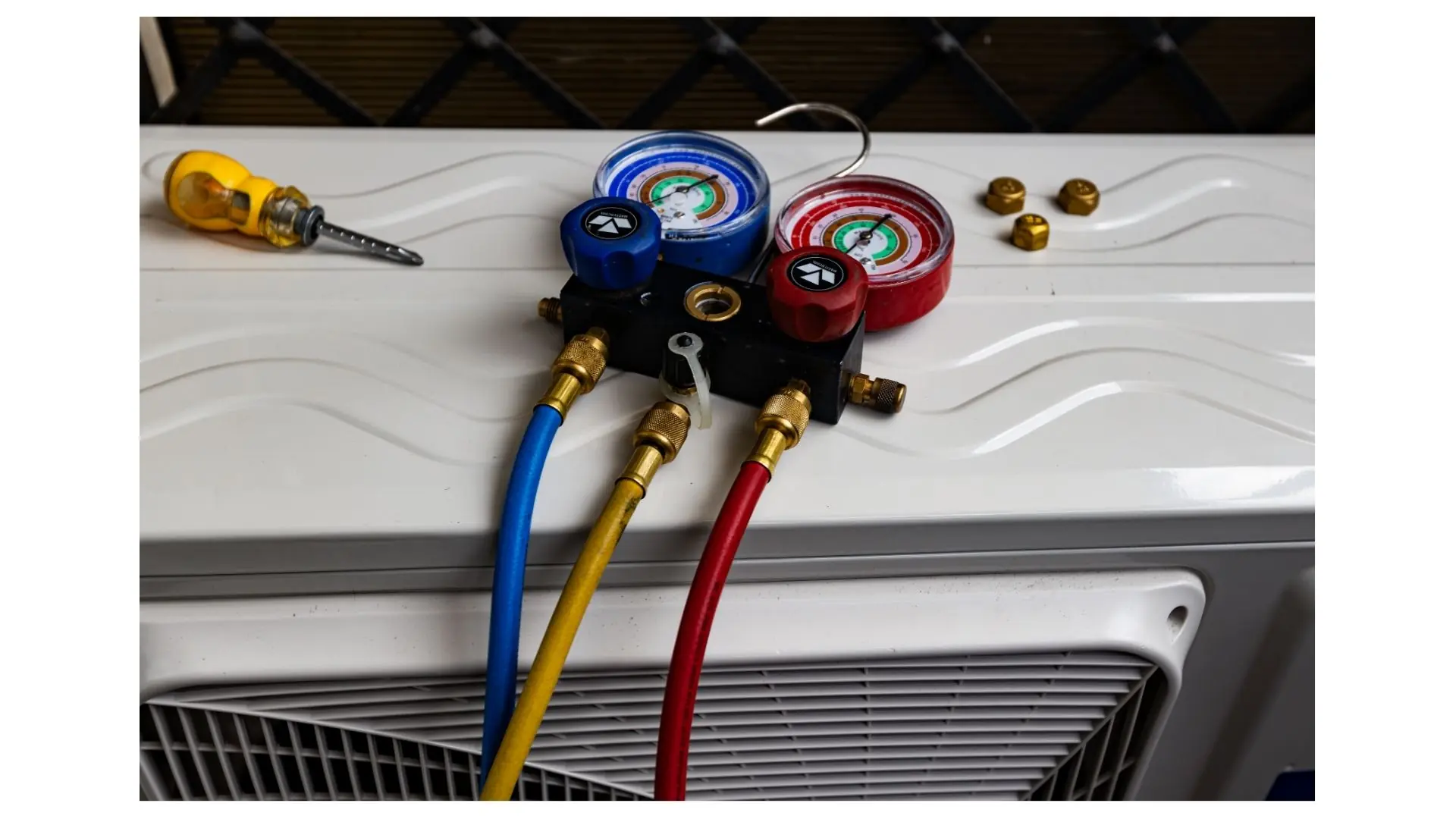
If a technician has ever mentioned your system is "low on refrigerant" or that your older AC uses a refrigerant that's being phased out, you may have nodded along without fully understanding what it meant. You're not alone. Understanding AC refrigerant in Branson MO homes matters because it directly affects your repair costs, your options, and the decision of whether to fix or replace an aging system.
In this guide, we'll explain in plain language what refrigerant is and what it does, why the old R-22 refrigerant is being phased out, what newer refrigerants like R-410A mean for you, why recharging an old system has gotten so expensive, and how all of this shapes the repair-versus-replace decision. No jargon, just the facts a Branson homeowner needs.
What Is Refrigerant and What Does It Do?
Refrigerant is the substance at the heart of how your air conditioner cools your home. It's a special chemical that can change between liquid and gas states easily, and that ability is what makes cooling possible.
Here's how it works in simple terms. Your AC circulates refrigerant through a loop. Indoors, the refrigerant absorbs heat from the air in your home. It then carries that heat outside, where it releases it, and the cycle repeats. In other words, your AC doesn't create cold air. It removes heat from your home and moves it outside, and refrigerant is the substance that does the moving.
The U.S. Department of Energy explains that this heat-transfer process is the foundation of all modern air conditioning. Without the right amount of refrigerant, the whole system fails to cool properly.
The R-22 Phase-Out and Why It Matters
For decades, most air conditioners used a refrigerant called R-22, often known by the brand name Freon. It worked well, but it turned out to be harmful to the environment, specifically the ozone layer. Because of that, R-22 has been phased out.
What the Phase-Out Means
Under U.S. Environmental Protection Agency regulations, production and import of R-22 has been banned in the United States. It's no longer manufactured or brought into the country. The only R-22 still available is recycled or previously stockpiled supply, and that limited supply keeps shrinking while demand from older systems continues.
Why This Affects Branson Homeowners
If your air conditioner is more than about 12 to 15 years old, there's a good chance it still uses R-22. That doesn't mean it will stop working tomorrow, but it does mean that if it ever develops a leak and needs more refrigerant, you're going to face a difficult and expensive situation. Many older systems across the Branson area fall into this category.
R-410A and Newer Refrigerants Explained
When R-22 was phased out, the industry moved to refrigerants that don't harm the ozone layer. The most common replacement for residential systems has been R-410A, often sold under names like Puron.
Here's what you need to know about the newer refrigerants:
- R-410A. The standard in most systems installed over the past decade or more. It doesn't deplete the ozone layer and cools efficiently.
- Newer low-GWP refrigerants. The industry continues to move toward refrigerants with an even lower environmental impact, measured by something called global warming potential (GWP). These are appearing in the newest systems.
- Not interchangeable. You can't simply put R-410A into an R-22 system. They operate at different pressures and require different equipment. This is a key reason older systems can't just be "switched over."
The takeaway is that any new system you buy today will use a modern, environmentally responsible refrigerant, which is one of the benefits of upgrading from an aging R-22 unit. For Branson homeowners with older equipment, that upgrade solves the refrigerant problem for good.
Why Recharging an Old R-22 System Is So Expensive
If your R-22 system develops a leak and needs to be recharged, you may be shocked by the price. Here's why it has gotten so costly:
- Shrinking supply. Since R-22 is no longer produced, the remaining supply is limited and prices have climbed dramatically as it becomes scarcer.
- Simple economics. High demand from older systems plus a dwindling supply equals a steep price per pound.
- A leak means more to come. Refrigerant doesn't get used up in normal operation. If your system is low, it has a leak. Recharging without fixing the leak means you'll be paying for expensive R-22 again and again.
This is why simply topping off an old system is rarely a good long-term answer. A proper cooling repair finds and addresses the leak rather than just adding more costly refrigerant.
Signs of a Refrigerant Leak and Why DIY Is Illegal
Because refrigerant problems are common in the long Branson cooling season, it helps to recognize the warning signs. Watch for these:
- Warm air blowing from the vents when the AC is running
- Ice or frost forming on the refrigerant lines or indoor coil
- Hissing or bubbling sounds near the unit
- Longer cooling cycles and rising energy bills
- The system struggling to reach the set temperature
If you notice these signs, it's tempting to look for a quick DIY fix. Don't. Handling refrigerant without proper certification is actually illegal. The EPA requires certification to purchase and handle refrigerant because improper handling harms the environment and can be dangerous. Beyond the legal issue, DIY recharging without finding the leak wastes money and can damage your system. This is genuinely a job for a licensed professional.
If your AC is blowing warm air or showing other symptoms, our guide on why an AC runs but won't cool covers the full range of possible causes, refrigerant among them.
How Refrigerant Affects the Repair vs. Replace Decision
When an older R-22 system develops a refrigerant leak, you reach an important crossroads. Here's how refrigerant factors into the decision:
- The cost of R-22. Expensive recharges add up fast, especially if the leak recurs. Those costs can quickly approach the value of the aging system itself.
- System age. If a system old enough to use R-22 is already 12 to 15+ years old, it's near the end of its expected life anyway, and pouring money into it may not pay off.
- Efficiency gains. A new system using modern refrigerant is also far more energy efficient, so upgrading lowers your monthly bills on top of solving the refrigerant issue.
For many Branson homeowners with aging R-22 systems, a repeated or costly refrigerant leak is the tipping point that makes a new AC installation the smarter investment. That said, every situation is different, and a newer R-410A system with a fixable leak is usually well worth repairing. We'll always give you an honest assessment.
EPA Regulations in Plain Language
The rules around refrigerant can sound complicated, but the practical points for homeowners are simple:
- R-22 is no longer made or imported in the United States
- Existing R-22 systems can keep running, but recharging them is costly
- New systems use modern, environmentally responsible refrigerants
- Only certified professionals can legally handle refrigerant
- Fixing leaks, not just recharging, is the responsible and cost-effective approach
These regulations exist to protect the environment, and they're the reason the whole industry has moved toward cleaner refrigerants. For a Branson homeowner, the main effect is simply that maintaining an old R-22 system gets more expensive over time, while a modern system avoids that problem entirely.
Questions About Your System's Refrigerant?
Whether your AC is blowing warm air, you suspect a leak, or you're simply wondering whether your older system uses R-22, the smartest move is an honest professional evaluation. We'll tell you exactly what refrigerant your system uses, whether it has a leak, and what your best options are, whether that's a straightforward repair or planning for an eventual upgrade. No pressure, just clear answers from a team that serves Branson homeowners every day.
Ready to schedule? Call (417) 757-0106 or request a free estimate at nowheatcool.com. Same-day and next-day appointments available across Branson and the Table Rock Lake area.
Frequently Asked Questions
How do I know if my AC uses R-22?
If your system is more than about 12 to 15 years old, it likely uses R-22. A technician can confirm by checking the unit's nameplate and specifications. Knowing which refrigerant you have is important for planning repairs.
Can I still get R-22 for my old system?
Yes, but only from recycled or previously stockpiled supply, since it's no longer produced or imported. That limited supply means R-22 has become very expensive, and prices continue to climb as it grows scarcer.
Why is my refrigerant recharge so expensive?
If your system uses R-22, the shrinking supply has driven prices way up. Also, since refrigerant doesn't get used up, a low charge means a leak. Recharging without fixing the leak means paying for costly refrigerant repeatedly.
Can I add refrigerant to my AC myself?
No. Handling refrigerants requires EPA certification because improper handling harms the environment and can be dangerous. DIY recharging is illegal, wastes money if the leak isn't fixed, and can damage your system.
Should I repair or replace my R-22 system if it leaks?
It depends on the system's age and the cost of the repair. For an older R-22 unit with a recurring or expensive leak, replacement with a modern, efficient system is often the smarter long-term investment. We provide honest assessments.
Is R-410A better than R-22?
R-410A doesn't deplete the ozone layer and is used in modern, efficient systems. It isn't interchangeable with R-22 because it runs at different pressures. Upgrading to a system using modern refrigerant improves both efficiency and environmental impact.