June 9, 2026
AC Not Cooling? Common Air Conditioning Problems in Branson and How to Fix Them
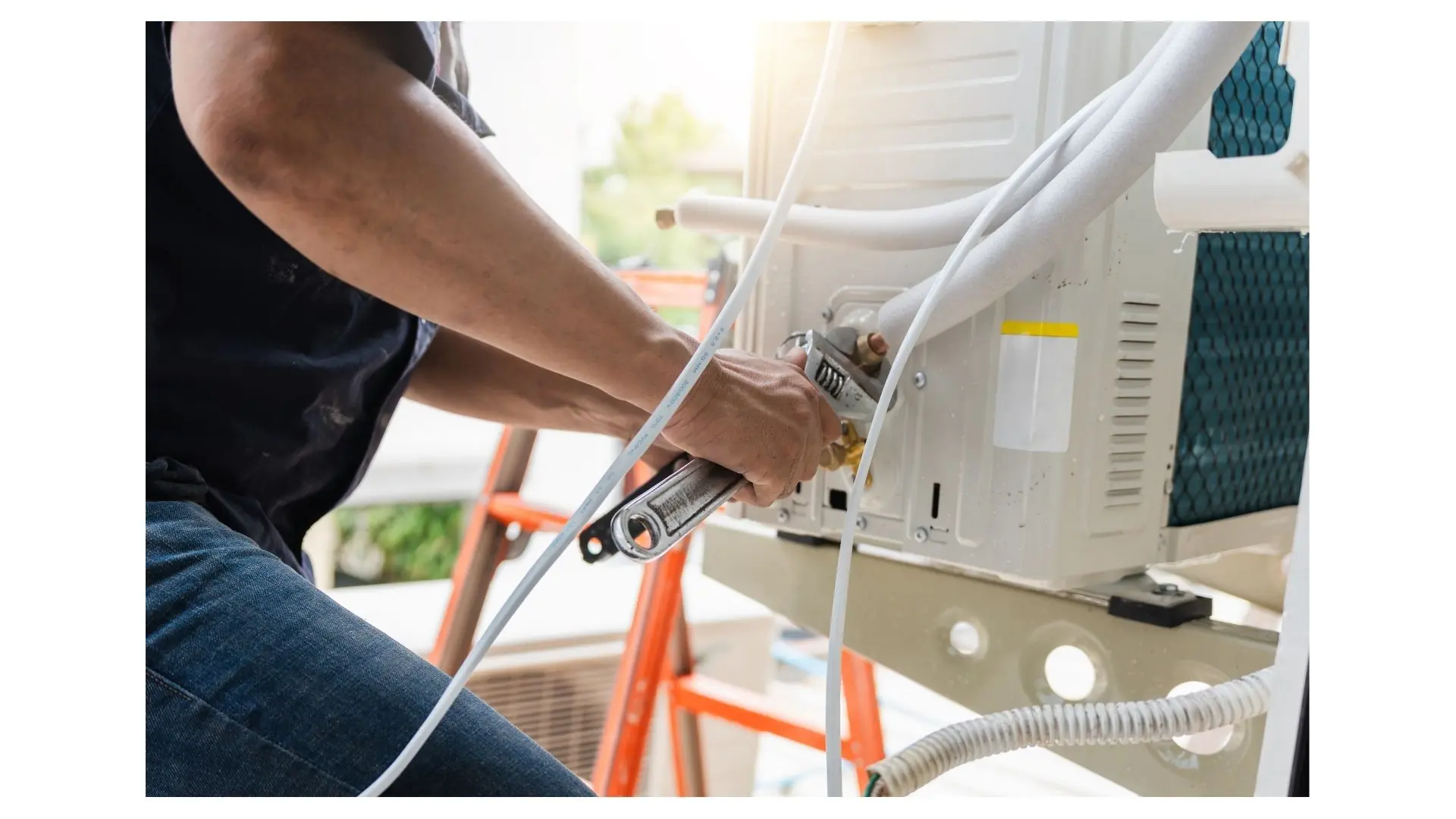
Your air conditioner is running, you can hear it humming away, but the air coming out of the vents isn't cold. Or worse, the temperature in your house keeps climbing even though the thermostat says it shouldn't. If your AC is not cooling your Branson MO home, you're not alone. This is one of the most common calls we get during summer in the Ozarks, and the good news is that most of these problems are fixable, often the same day.
In this guide, we'll walk you through the seven most common reasons an AC runs but doesn't cool, what you can safely check yourself, when a repair stops making sense, and how to avoid surprise bills. By the end, you'll know exactly what to do next.
7 Most Common Reasons Your AC Runs But Won't Cool
When the system is on but the air isn't cold, the problem usually comes down to one of these seven culprits. Knowing what to look for helps you describe the issue accurately and gives you a sense of what kind of repair is coming.
1. Clogged Air Filter
This is the most common cause and the easiest to fix. A filter caked with dust and pet hair chokes airflow, making the system work harder while delivering less cold air to your rooms. In severe cases, restricted airflow leads to a frozen evaporator coil. If you haven't changed your filter in 60 to 90 days, start here.
2. Low Refrigerant (Leak)
Refrigerant is the substance your AC uses to absorb heat from indoor air and release it outside. If levels are low, the system can't transfer heat properly, so air comes out lukewarm. Refrigerant doesn't get "used up" in normal operation, so low levels mean a leak somewhere in the system. Adding more without finding the leak is a temporary fix at best. Leaks require a licensed technician.
3. Dirty Evaporator or Condenser Coils
Your AC has two sets of coils: the evaporator coil indoors and the condenser coil outdoors. Both must be clean to transfer heat efficiently. In Branson's humid climate, coils get coated with dust, pollen, and grass clippings fast. Dirty coils can reduce cooling capacity by 30% or more, leaving you with a system that runs constantly but barely keeps up.
4. Faulty or Miscalibrated Thermostat
Sometimes the AC is fine and the thermostat is the problem. If it's reading the room temperature inaccurately, it may shut the system off before your home is actually cool. Symptoms include erratic cycling, temperature readings that don't match how the house feels, or rooms far from the thermostat being uncomfortable. Battery-powered thermostats can also act up when batteries are weak.
5. Frozen Evaporator Coil
If your indoor coil is covered in ice, the system won't blow cold air, period. This usually happens from restricted airflow (often a dirty filter) or low refrigerant. The fix starts with turning the AC off and letting the ice melt, then addressing the cause. Running a frozen AC can damage the compressor, the most expensive part of the system.
6. Failed or Failing Capacitor
The capacitor is a small electrical component that gives your AC the burst of power it needs to start and run. Branson's summer heat is hard on capacitors. When they weaken, you might hear humming from the outdoor unit while the fan refuses to spin, or the system starts and stops erratically. They're inexpensive to replace, but dangerous to handle yourself due to stored electrical charge.
7. Undersized or Aging System
Sometimes the problem isn't a failure but a mismatch. If your AC was undersized for your home from day one, it will struggle to keep up during peak summer heat no matter how well it's running. Same goes for systems that are 12 to 15 years old and have lost efficiency over time. A properly sized, modern cooling installation can cool the same home with far less effort.
Quick Homeowner Checks Before You Call
Before you reach for the phone, take five minutes to run through these safe checks. You might save yourself a service call, and at minimum you'll have better information to share when you do call.
- Check the thermostat. Make sure it's set to "cool," the temperature is lower than the current room temp, and the batteries are fresh.
- Inspect the air filter. Hold it up to a light. If you can't see light through it, replace it.
- Check the circuit breaker. Look for any tripped breakers labeled "AC," "air handler," or "HVAC." Reset once. If it trips again, stop and call a professional.
- Look at the outdoor unit. Is it running? Is the fan spinning freely? Is the area clear of leaves, grass, and debris? Clear away anything within two feet of the unit.
- Check for ice. If you see frost or ice on the refrigerant lines or indoor coil, shut the system off and let it thaw fully before running it again.
- Listen for unusual sounds. Banging, grinding, or constant clicking are signs to shut the system off and call for service.
If none of these resolves the problem, it's time for a professional diagnosis. The U.S. Department of Energy recommends having a qualified technician inspect any AC issue you can't trace to filter or thermostat causes.
When a Repair Stops Making Sense
Most AC problems are worth fixing. But there's a point where pouring money into an aging system stops being smart. Here's how to tell when you've reached it:
- Age. Most central AC units last 15 to 20 years. Past 12 years, efficiency drops sharply and breakdowns get more frequent.
- Repair frequency. Two or more major repairs in the last two years is a clear signal.
- Cost of the next repair. If the quote is more than 30 to 50% of the cost of a new system, replacement usually wins long-term.
- Old refrigerant. Systems that still use R-22 are expensive to recharge since it's been phased out.
- Climbing energy bills. If your summer electric bill keeps climbing, your old system is bleeding money every month.
ENERGY STAR has a clear guide on when to replace vs. repair your central AC. Either way, we'll give you an honest assessment during your visit, never a hard sell.
Why Branson's Humidity Makes AC Problems Worse
Not every region punishes an aging AC the same way. The Ozarks climate is especially hard on cooling systems, and a few specific factors make small problems escalate quickly:
- High humidity adds to the workload. Your AC isn't just cooling air, it's removing moisture. A struggling system shows up in muggy indoor air long before the temperature climbs.
- Long cooling seasons stress every component. From May through September, your AC may run daily. Weak capacitors and aging compressors give out fastest under sustained heat.
- Pollen and tree debris clog coils. The wooded landscape sends a constant stream of debris into outdoor condenser units.
- Storms and power surges damage capacitors. Summer thunderstorms regularly take out AC components.
The best defense against all of this is annual maintenance. A yearly AC tune-up catches weak parts and dirty components before they cause a no-cool emergency in July.
Diagnosed and Fixed on the First Visit
Few things are more frustrating than a technician diagnosing the problem only to tell you they have to come back tomorrow with the part. We try to avoid that. Our service trucks are fully stocked with the parts that fail most often:
- Capacitors in common sizes
- Contactors and relays
- Common thermostats
- Filters in standard sizes
- Refrigerant for most modern systems
- Drain line cleaning supplies
This means the majority of our service calls in the Branson area end with a working AC the same day, not a return visit. For specialty parts on older or premium systems, we'll be upfront about the timeline and get the part as fast as possible.
Transparent Pricing and No Surprise Bills
One of the biggest complaints homeowners have about HVAC repair is unexpected charges. We work differently:
- Written quote before work begins. You know what the repair will cost before we touch a tool. You approve, then we work.
- Flat-rate pricing on most repairs. Common repairs like capacitor replacement, refrigerant recharges, and filter swaps are priced consistently.
- No after-hours surcharge surprises. Emergency calls won't blow your budget with hidden premium fees.
- Honest replacement guidance. If your system is past the point of worthwhile repair, we'll tell you, not keep selling expensive Band-Aids.
Get Your AC Cooling Again Today
An AC that runs but won't cool is more than an inconvenience in a Branson summer. It's a problem that gets worse the longer it goes unaddressed. Whether it's a simple capacitor or a deeper issue, the Now! Heating & Cooling team can diagnose and fix most problems same-day, with transparent pricing and no high-pressure sales. If you've been searching for an air conditioner not working near me, we serve Branson and the surrounding Table Rock Lake area daily.
Ready to schedule? Call (417) 757-0106 or request a free estimate. Same-day and next-day appointments available across Branson and the Table Rock Lake area.
Frequently Asked Questions
Why is my AC running but not cooling the house?
The most common causes are a clogged air filter, low refrigerant from a leak, dirty coils, or a frozen evaporator coil. Start with filter and thermostat checks. If those don't fix it, you'll need a professional diagnosis.
Should I keep running my AC if it's not cooling?
No. If the system is iced over, making strange sounds, or just blowing warm air, shut it off. Continuing to run a struggling AC can turn a small repair into a much more expensive one.
How much does an AC repair cost in Branson, MO?
Common repairs like capacitor replacement and refrigerant recharges typically range from $150 to $500. Major repairs like compressor work cost more. We give written quotes before any work begins, so there are no surprises.
Can I add refrigerant to my AC myself?
No. Adding refrigerant requires EPA certification, and adding more without fixing the underlying leak is a temporary fix that wastes money. A licensed technician can find and seal the leak, then recharge to factory spec.
How long does an AC repair take?
Most common repairs are completed in one to two hours. More involved work like leak repair or compressor replacement can take longer. We aim to fix most issues during the first visit thanks to fully stocked trucks.
Do you offer same-day AC service in Branson?
Yes. Same-day and next-day appointments are available across Branson, Hollister, Forsyth, Kimberling City, Reeds Spring, and the Table Rock Lake area. Call (417) 757-0106 to schedule.