September 1, 2026
Fall Furnace Inspection in Branson
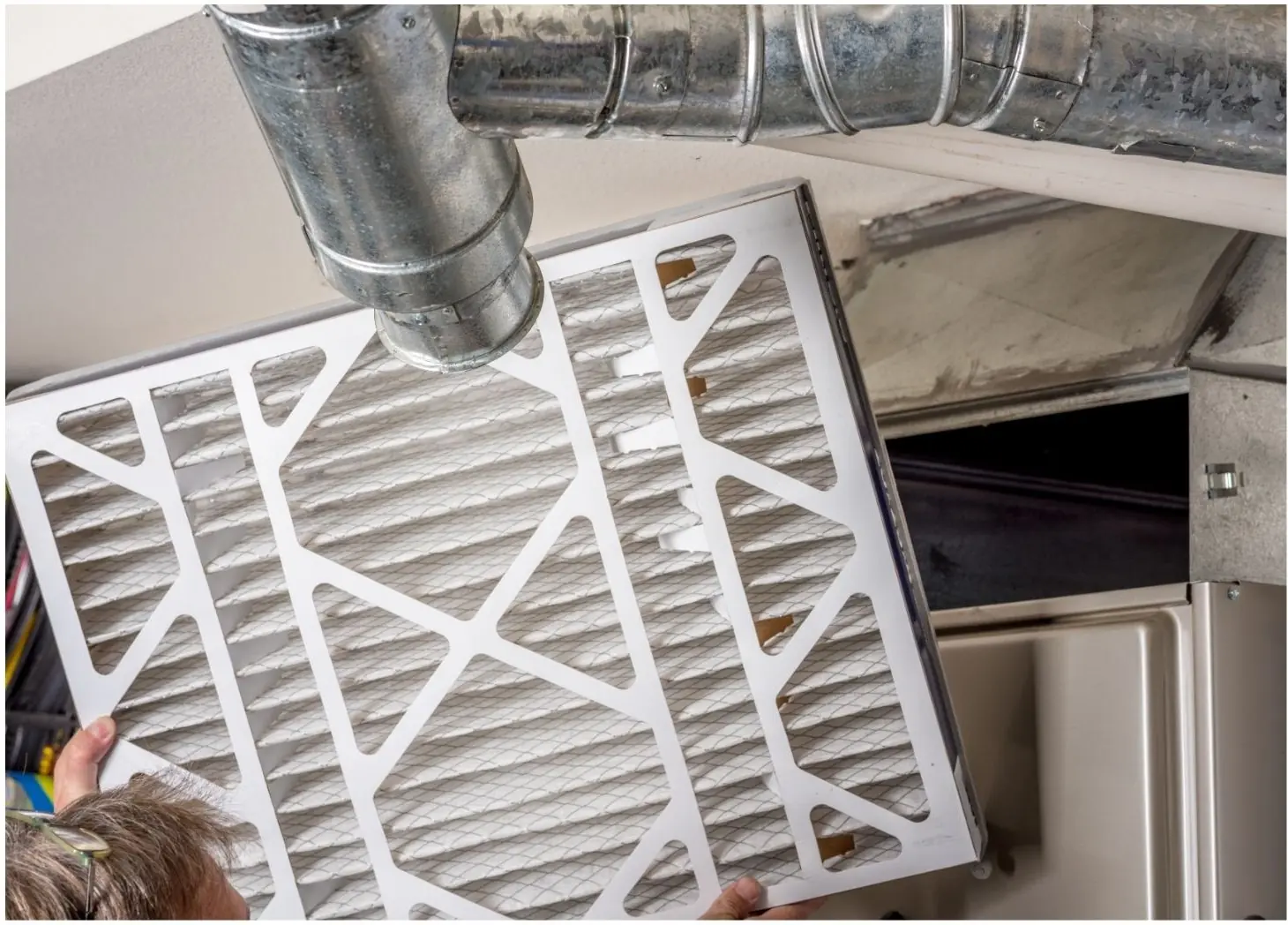
Your furnace has been sitting idle for months. Dust has settled inside it, components have gone unused, and any damage that developed at the end of last winter is still there, waiting. A professional furnace inspection in Branson MO before the weather turns tells you exactly what condition your system is in, so you're not finding out on the coldest night of the year.
In this guide, we'll walk through what a technician actually examines during an inspection, the carbon monoxide risks that make this more than a comfort issue, the warning signs from last winter that deserve attention now, and why timing your inspection before the seasonal rush matters. Think of it as a health check for the system that keeps your family warm.
Why a Fall Furnace Inspection Is Essential in the Ozarks
Ozarks winters aren't as brutal as those farther north, and that creates a false sense of security. Branson homeowners sometimes assume a milder winter means less demand on the furnace, so an inspection feels optional. In practice, the opposite reasoning applies.
- Long idle periods cause problems. A furnace that sits unused from spring through fall can develop corrosion, attract dust and debris, and even host pests in the venting.
- Sudden temperature swings. Fall in the Ozarks can drop from a warm afternoon to near freezing overnight. Your furnace goes from zero to full demand with no warm-up period.
- Humidity affects components. The moisture that makes Branson summers uncomfortable also promotes corrosion inside heating equipment during the off-season.
- Cold snaps do arrive. Mild average temperatures don't prevent hard freezes, and those are exactly when a failure hurts most.
An inspection accounts for all of this, giving you a clear picture of whether your system is genuinely ready.
What Technicians Examine During an Inspection
A thorough inspection is diagnostic work. The technician is looking for evidence of wear, damage, and developing failure across every part of the system. Here's what gets examined in a typical Branson home:
Heat Exchanger
This is the most critical component to inspect. The heat exchanger is a metal chamber that transfers heat to your air while keeping combustion gases separate from it. Repeated heating and cooling cycles cause metal fatigue over years, and cracks can develop. A technician examines it visually for cracks, corrosion, rust, and warping, because a compromised heat exchanger is a genuine safety hazard.
Ignition System
Whether your furnace uses a hot surface igniter, an electronic spark ignition, or an older pilot light, this system has to work reliably every time. Igniters wear out gradually and often fail on the first hard demand of the season. The technician tests ignition performance and looks for signs of an igniter nearing the end of its life.
Gas Lines and Connections
Gas connections are checked for leaks, corrosion, and proper fitting. Gas pressure is verified to confirm the furnace is receiving what it needs to burn correctly. This is licensed work for good reason, since even small gas leaks are serious.
Venting and Flue
The flue carries combustion gases safely outside. Technicians check for blockages, disconnections, corrosion, and proper draft. Bird nests, debris, and rust are all common findings after a system sits unused through summer, and any of them can prevent gases from venting properly.
Safety Controls
Modern furnaces have layered safety systems including limit switches, flame sensors, rollout switches, and pressure switches. Each is designed to shut the furnace down if something goes wrong. The technician tests these individually, because a safety control that has failed silently leaves you unprotected.
Blower, Electrical, and Airflow
The blower motor and wheel are inspected for wear and buildup, electrical connections are checked for corrosion and looseness, and airflow is measured. Restricted airflow makes a furnace overheat and shut down repeatedly, a frustrating problem that's easy to prevent.
Carbon Monoxide Risks From an Unchecked Furnace
Here is the part that makes furnace inspections different from most home maintenance. Carbon monoxide is colorless, odorless, and produced whenever fuel burns. A properly working furnace vents it safely outdoors. A furnace with a cracked heat exchanger, blocked flue, or poor combustion can release it into your living space instead. The American Red Cross recommends having heating systems inspected annually by a qualified professional for exactly this reason.
What every Branson household should do:
- Schedule a professional inspection every year before heating season
- Install carbon monoxide detectors on every level of the home
- Test detectors monthly and replace them per manufacturer guidance
- Keep vents, flues, and the area around the furnace clear
- If an alarm sounds, leave the building immediately and call for help from outside
Detectors are essential, but they alert you after a problem exists. An inspection catches the conditions that would cause one. Both together give you real protection.
Signs Your Furnace Struggled Last Winter
Think back to last heating season. Problems you tolerated in February are still there now, and they've had all summer to worsen. These are the signals worth mentioning when you schedule your inspection:
- It took a long time to warm the house. Slow heating suggests efficiency loss, airflow restriction, or a system struggling to keep up.
- The furnace turned on and off repeatedly. Short cycling points to overheating, a dirty flame sensor, or airflow problems.
- You heard new noises. Banging, rattling, squealing, or booming at startup all indicate something needs attention.
- Heating bills climbed. A jump without a matching increase in usage means your furnace lost efficiency somewhere.
- Rooms heated unevenly. Cold rooms suggest airflow, ductwork, or capacity issues worth diagnosing.
- You noticed odd smells. Burning or acrid odors beyond the first-run dust burn-off deserve professional evaluation.
Any of these deserve attention now rather than later. Small issues identified during an inspection become straightforward heating service appointments instead of January emergencies.
How Early Inspection Prevents First-Cold-Snap Emergencies
The first genuinely cold night of the year is when furnace failures cluster across Branson. Systems that sat idle for months get asked for full output immediately, and the weakest components give out. It's predictable, and it's preventable.
An early inspection changes the outcome in a few concrete ways. Worn parts get identified and replaced on a normal schedule at normal cost. If a larger repair is needed, you have time to consider options rather than approving whatever is fastest. And you avoid the specific misery of a cold house with a long wait for service.
There's also a financial difference. A planned repair during a scheduled inspection is a routine expense. The same repair as an emergency call, during peak demand, with your family cold, costs more and feels worse.
Energy Efficiency Benefits of a Tuned Furnace
An inspection also protects your heating budget. Furnaces lose efficiency gradually as burners get dirty, airflow becomes restricted, and components drift out of calibration. The U.S. Department of Energy notes that proper maintenance is key to keeping heating systems operating at their intended efficiency.
A furnace running at its rated efficiency uses less fuel to produce the same warmth, which shows up directly on your monthly bills through the heating season. Clean burners combust more completely, unrestricted airflow moves heat more effectively, and accurate controls prevent the system from running longer than necessary. Over a Branson winter, that difference is real money.
Scheduling Before the Seasonal Rush
Early fall is the window. Once the first cold front moves through, service demand spikes and appointment availability tightens quickly. Booking your inspection in September or early October means you choose the timing, you're not competing with emergency calls, and any needed work happens before you depend on the system. If you already had an annual maintenance plan visit scheduled, you're ahead of the game.
Maintenance plan members get priority scheduling during exactly these busy periods, along with two seasonal visits a year, repair discounts, and documented service records for warranty protection. For Branson homeowners who would rather not track seasonal scheduling themselves, it removes the mental load entirely.
Be Ready Before the Cold Hits
A furnace inspection takes about an hour and tells you exactly where your heating system stands before you need it. You get safety verification, efficiency restoration, early warning on developing problems, and the simple confidence that comes from knowing your home will be warm. Our technicians serve homeowners throughout Branson, Reeds Spring, Hollister, and the Table Rock Lake area, and we'll give you a straight assessment of what your system needs.
Ready to schedule? Call (417) 757-0106 or request a free estimate at nowheatcool.com. Same-day and next-day appointments available across Branson and the Table Rock Lake area.
Frequently Asked Questions
When should I schedule a fall furnace inspection?
September through early October is ideal. You get flexible scheduling before demand spikes, and time to handle any needed repairs calmly before you depend on your heat.
How long does a furnace inspection take?
Most inspections take about an hour, depending on the age and condition of the system. If issues are found, the technician will explain them and provide options before any additional work happens.
What is the technician actually looking for?
Primarily evidence of wear, damage, and developing failure. Key focus areas include the heat exchanger, ignition system, gas connections, venting, safety controls, blower, and airflow.
Do I need an inspection if my furnace worked fine last winter?
Yes. Many serious issues, including heat exchanger cracks and failing safety controls, develop without obvious symptoms. Working fine last season doesn't confirm the system is safe or ready this season.
Is a carbon monoxide detector enough on its own?
Detectors are essential but they alert you after a problem exists. An inspection identifies the conditions that would cause a leak before it happens. Use both together for real protection.
What if the inspection finds a problem?
The technician explains what was found, why it matters, and your options, with written pricing before any repair begins. Finding an issue in fall means a planned repair instead of a winter emergency.