August 25, 2026
Furnace Tune-Up Time: Why Late Summer Is the Smart Move for Branson Homeowners
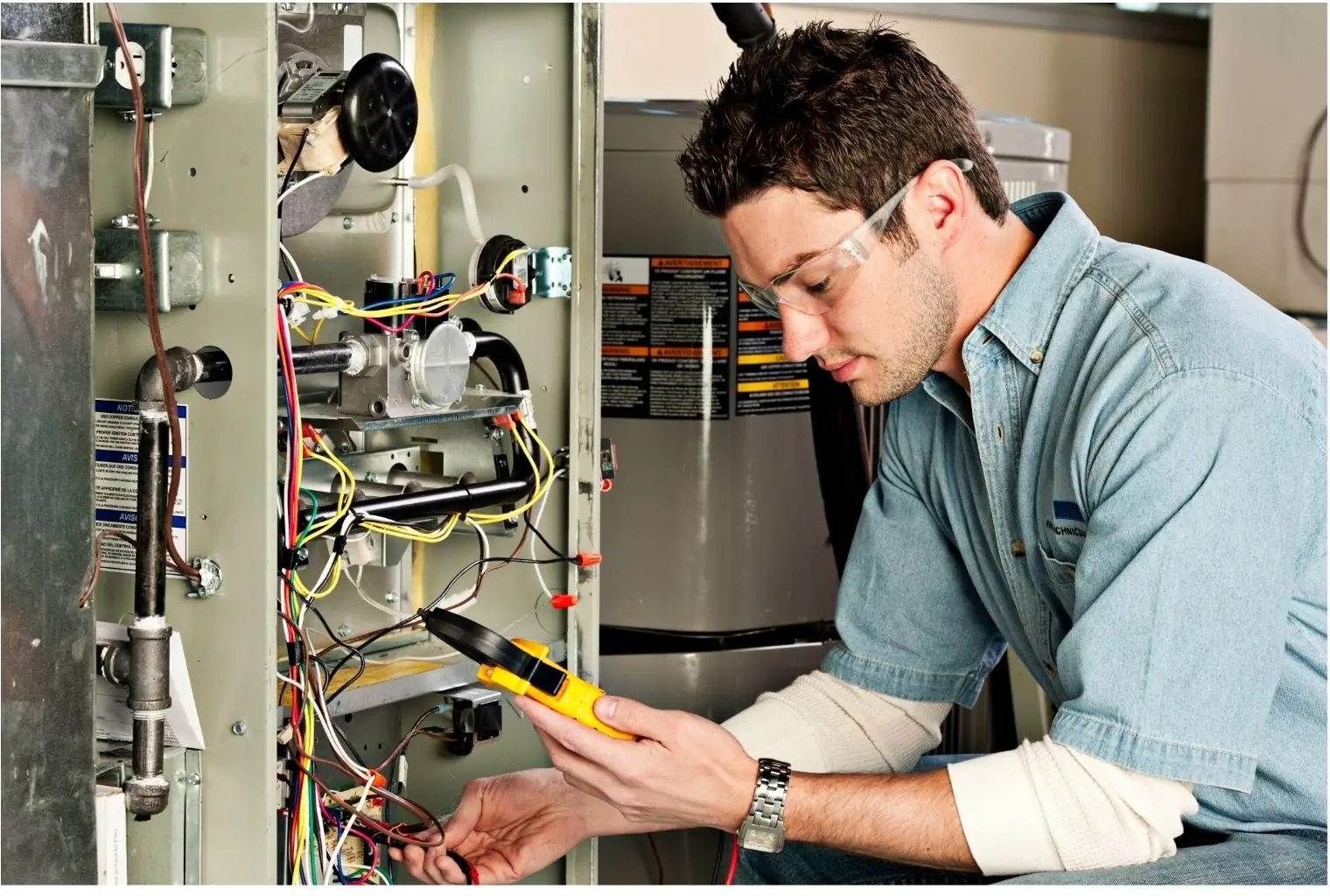
Thinking about your furnace in August might feel premature. The AC is still running, the days are still hot, and winter seems far away. But that's exactly why now is the ideal time. Scheduling a furnace tune-up in Branson MO before the weather turns means you avoid the fall rush, catch problems while they're small, and know your heating is ready the first time you need it.
In this guide, we'll explain why early scheduling beats waiting, exactly what a professional tune-up covers, why carbon monoxide safety makes furnace inspections genuinely important, and how regular maintenance extends the life of your equipment. A little planning now saves you money and stress when the first cold snap arrives.
Why Scheduling Before Fall Beats the Rush
Every year the same thing happens across Branson. Temperatures drop suddenly, homeowners flip their thermostats to heat for the first time, and a portion of them discover their furnace won't start. The phones light up, and everyone waits.
Booking early puts you ahead of that curve:
- Your pick of appointment times. In late summer, scheduling is flexible. During the first cold week, it isn't.
- Repairs happen on your timeline. If your furnace needs a part, discovering that in August means a calm, planned repair instead of a cold house and an emergency call.
- No first-cold-night panic. You'll already know your system works, so you can enjoy the season change instead of worrying about it.
- Time to plan bigger decisions. If your furnace is nearing the end of its life, learning that early gives you room to research and budget rather than deciding under pressure.
In Branson, where fall weather can swing from a warm afternoon to a genuinely cold night, that readiness matters more than you'd think.
What a Professional Furnace Tune-Up Includes
A real tune-up is a thorough inspection and service of the whole system, not a quick glance and a filter swap. Here's what our technicians check on every Branson service visit:
Burner Inspection and Cleaning
The burners are where fuel combusts to create heat. Over time they collect dust, soot, and debris, which causes uneven flames, poor efficiency, and incomplete combustion. Cleaning them restores proper burning and helps your furnace produce heat the way it should.
Heat Exchanger Examination
This is the most safety-critical part of the inspection. The heat exchanger separates combustion gases from the air circulating through your home. If it develops a crack, dangerous gases including carbon monoxide can leak into your living space. A careful visual inspection catches damage before it becomes a hazard.
Filter Replacement
A clogged filter restricts airflow, forces the blower to strain, and can cause the furnace to overheat and shut down on safety limits. Replacing it improves airflow, efficiency, and indoor air quality all at once.
Safety Control Testing
Modern furnaces have multiple safety controls, including limit switches, flame sensors, and pressure switches, that shut the system down if something goes wrong. We test each one to confirm it functions correctly, because these are your protection against serious problems.
Ignition, Blower, and Electrical Checks
We verify the ignition system starts reliably, inspect the blower motor and wheel, check electrical connections for corrosion or looseness, and test the thermostat's accuracy. Weak components get flagged before they fail in January.
Carbon Monoxide Safety and Why Inspections Matter
This is the part of furnace maintenance that goes beyond comfort and cost. Carbon monoxide is a colorless, odorless gas produced by fuel combustion. In a properly functioning furnace, it's safely vented outside. But a cracked heat exchanger, blocked flue, or poor combustion can allow it into your home. The American Red Cross emphasizes having heating systems inspected annually by a qualified professional as a core safety practice.
Practical safety steps for every Branson household:
- Have your furnace professionally inspected once a year
- Install carbon monoxide detectors on every level of your home
- Test detectors regularly and replace batteries as recommended
- Keep vents and flues clear of obstructions
- If a CO alarm sounds, get everyone outside immediately and call for help
An annual inspection is genuinely one of the most important things you can do for your family's safety heading into heating season. It's not an upsell. It's basic home safety.
How Maintenance Extends Furnace Life and Efficiency
Beyond safety, regular maintenance protects your investment. A furnace is expensive to replace, and most homeowners want every year of service they can get. The U.S. Department of Energy notes that proper maintenance keeps heating systems operating at their rated efficiency, which directly affects your utility bills.
Here's what consistent care actually does:
- Preserves efficiency. Clean burners and good airflow mean your furnace uses less fuel to produce the same heat.
- Reduces strain on components. A system that isn't fighting restricted airflow or dirty parts wears more slowly.
- Prevents cascade failures. One weak part stresses the next. Catching a failing igniter early can prevent a much larger repair.
- Protects your warranty. Most manufacturers require documented annual maintenance for warranty claims to be honored.
A well-maintained furnace can serve a Branson home reliably for many years longer than a neglected one, which makes annual service one of the better returns available in home ownership.
Catching Small Problems Before Heating Season
Furnaces rarely fail without warning. They usually show signs first, but those signs are easy to miss when the system hasn't run in months. A late-summer inspection in your Branson home surfaces issues while they're still small and inexpensive to fix.
Common problems we catch during pre-season tune-ups:
- Worn or weak igniters that would fail on a cold night
- Dirty flame sensors causing the furnace to short cycle
- Cracks or corrosion in the heat exchanger
- Loose electrical connections and corroded contacts
- Blower motor wear and unbalanced fan wheels
- Thermostat calibration drift
Addressing any of these in August is a scheduled, affordable repair. Discovering them in January often means an emergency furnace repair during the coldest week of the year, at a much higher cost in both money and discomfort.
Bundle With Your End-of-Summer AC Service
Late summer is when your air conditioner needs end-of-season attention anyway, which makes it the natural time to handle both systems in one visit. Combining your end-of-summer cooling service with your furnace tune-up saves you a separate appointment and gets your whole home ready for the seasonal transition at once.
This matters in the Ozarks specifically because the swing from cooling to heating can happen fast. You might run the AC on a warm afternoon and need heat that same night. Having both systems checked and ready means you're covered whichever direction the weather goes.
Maintenance Plan Benefits for Year-Round Coverage
If remembering to schedule seasonal service twice a year sounds like one more thing to track, a maintenance plan handles it for you. Plan members typically receive:
- Two seasonal tune-ups per year, heating and cooling
- Priority scheduling when demand spikes
- Discounts on repairs and parts
- Documented service records for warranty protection
- Reminders so nothing gets forgotten
For most Branson homeowners, the plan costs less than a single emergency repair and prevents the situations that lead to one. It's the simplest way to keep both systems healthy year after year.
Get Winter-Ready Before the Rush
A furnace tune-up in late summer costs a fraction of an emergency repair in January, and it gives you something more valuable than savings: the confidence that your heating will work when you need it. Whether you want a straightforward pre-season inspection, a bundled cooling and heating visit, or a maintenance plan that handles everything automatically, the Now! Heating & Cooling team is ready to help homeowners across Branson and the Table Rock Lake area.
Ready to schedule? Call (417) 757-0106 or request a free estimate at nowheatcool.com. Same-day and next-day appointments available across Branson and the Table Rock Lake area.
Frequently Asked Questions
When should I schedule a furnace tune-up?
Late summer through early fall is ideal. You get flexible scheduling, time to handle any repairs calmly, and confidence that your heat works before the first cold snap brings a rush of service calls.
What does a furnace tune-up include?
A thorough tune-up covers burner cleaning, heat exchanger inspection, filter replacement, safety control testing, and checks of the ignition system, blower, electrical connections, and thermostat calibration.
How often does a furnace need maintenance?
Once a year, ideally before the heating season begins. Annual service is also typically required to keep manufacturer warranties valid, and it's a core safety practice for any fuel-burning appliance.
Why is a heat exchanger inspection so important?
The heat exchanger separates combustion gases from the air in your home. A crack can allow carbon monoxide to leak into your living space. Annual inspection catches damage before it becomes a safety hazard.
Can I do a furnace tune-up myself?
You can change filters and keep the area around the furnace clear, but burner cleaning, heat exchanger inspection, gas line checks, and safety control testing require a trained professional with the right tools.
Will a tune-up lower my heating bills?
In most cases, yes. Clean burners and unrestricted airflow let your furnace produce heat using less fuel. Maintenance keeps the system near its rated efficiency instead of losing performance year after year.