June 1, 2026
Indoor Air Quality in Branson
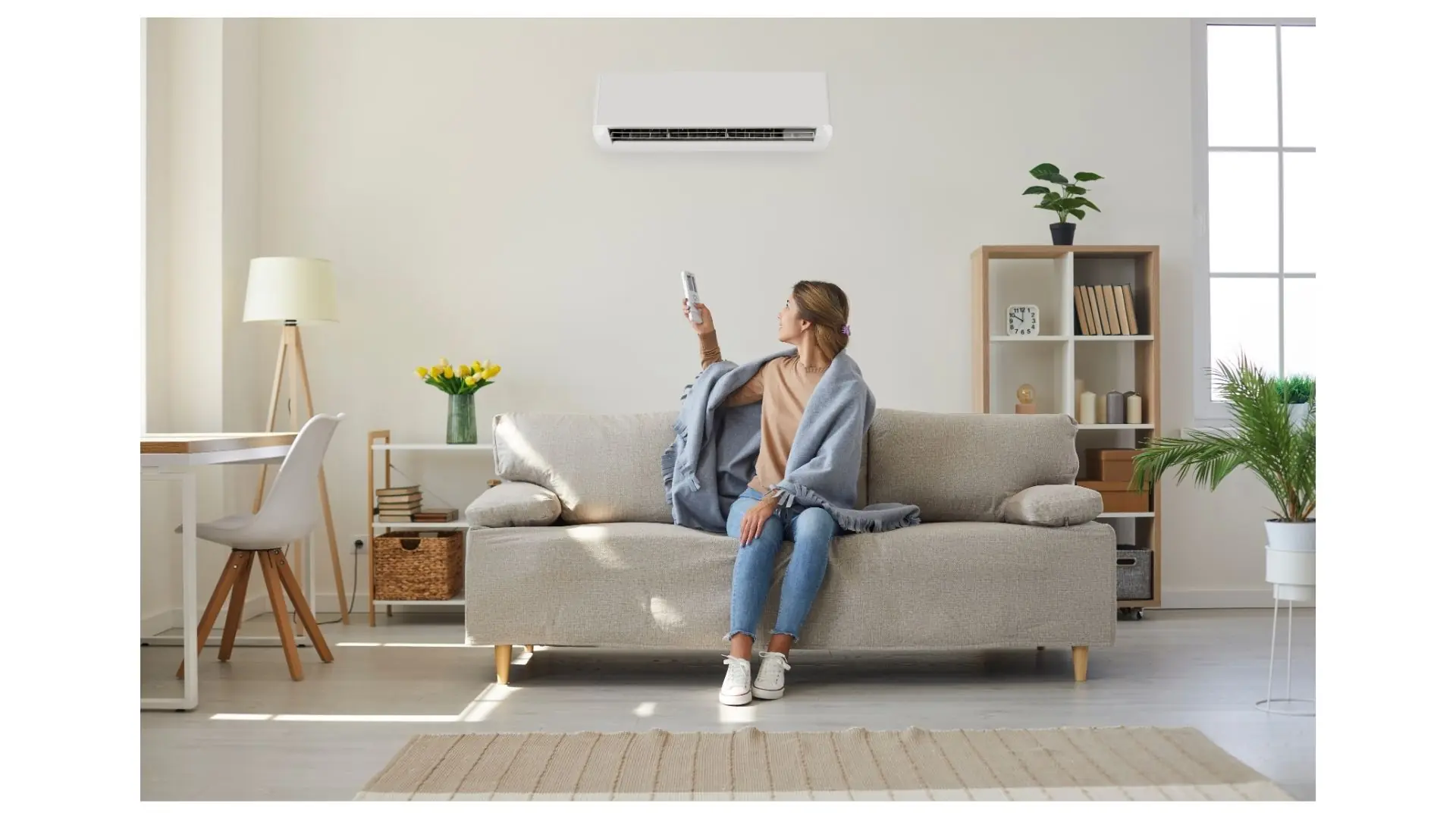
The air inside your home can be two to five times more polluted than the air outside, according to the EPA. That's a sobering thought, especially in a place like the Ozarks where humidity, pollen, and mold spores all conspire to make indoor air quality in Branson MO a year-round concern. If you've ever wondered why allergies flare up the moment you walk through your front door or why dust seems to settle within hours of cleaning, the answer is probably floating in your air right now.
This guide walks you through what indoor air quality actually means, what's likely affecting yours, the warning signs to watch for, and the practical solutions that can make a real difference in how your family breathes and feels at home.
What Is Indoor Air Quality and Why Does It Matter?
Indoor air quality, or IAQ for short, refers to the cleanliness, humidity, and overall healthfulness of the air inside your home. It covers everything from dust and pollen to moisture levels, mold spores, pet dander, chemical fumes, and gases like radon and carbon monoxide.
Why does it matter so much? Because the average American spends about 90% of their time indoors, and most of that time is at home. The U.S. Environmental Protection Agency consistently ranks indoor air pollution among the top environmental health risks people face today, especially for children, older adults, and anyone with asthma or allergies.
In short: the air you breathe at home affects your health, your sleep, your energy levels, and even how often you get sick. It deserves the same attention you'd give to clean water or healthy food.
Common Air Quality Problems in Branson-Area Homes
Every region has its own air quality challenges. Here in Branson and the Table Rock Lake area, a handful of issues come up over and over:
High Humidity
Our summers are notoriously humid. Indoor humidity above 60% creates the perfect conditions for mold growth, dust mites, and that sticky, heavy feeling that makes a house feel uncomfortable even when the AC is running.
Mold Spores
Mold loves warm, moist environments. Basements, crawl spaces, bathrooms, and HVAC drain pans are all common hiding spots in Branson homes. Once mold takes hold, its spores get pulled into your air and circulated through every room by your HVAC system.
Pollen and Outdoor Allergens
The wooded Ozarks landscape is beautiful but brutal for allergy sufferers. Tree pollen, grass pollen, and ragweed all find their way indoors through doors, windows, and ventilation, then get trapped in your home unless filtered out.
VOCs (Volatile Organic Compounds)
VOCs are invisible chemical gases released by paints, cleaning products, new furniture, carpets, and even scented candles. They contribute to headaches, dizziness, and long-term respiratory issues. Newer or recently renovated homes often have higher VOC levels.
Pet Dander and Dust
If you have furry pets, dander is constantly being released into your air. Combined with regular dust, dead skin cells, and fabric fibers, it adds up to a significant load on your HVAC system and your lungs.
How Your HVAC System Directly Affects Air Quality
Here's something most homeowners don't realize: your heating and cooling system is the single biggest influence on your indoor air. Every minute it runs, it's pulling air from every room, passing it through filters and coils, and pushing it back out. Done right, this process actively cleans your air. Done poorly, it spreads contaminants throughout your house.
A neglected HVAC system can:
- Recirculate dust, pollen, and dander through every room
- Harbor mold in coils, drain pans, and ductwork
- Fail to remove enough humidity, creating ideal mold conditions
- Pull contaminants from attics or crawl spaces into your living areas
The good news is that the same system causing the problem can also be the solution. Regular cooling maintenance combined with the right air quality upgrades can transform the air your family breathes.
Indoor Air Quality Solutions That Actually Work
There's no single magic fix for IAQ. The right approach depends on what's affecting your home. Here are the most effective tools we install for Branson homeowners:
Upgraded Filtration (Understanding MERV Ratings)
Most homes use the cheapest fiberglass filters, which catch large dust but let almost everything else through. Higher-quality filters are rated by MERV (Minimum Efficiency Reporting Value), a scale from 1 to 16 explained by ASHRAE. Here's what to know:
- MERV 1 to 4: basic protection, catches large particles only
- MERV 8 to 11: good for most homes, captures pollen, dust mites, and pet dander
- MERV 13 to 16: hospital-grade filtration, captures bacteria, smoke, and most virus particles
A word of caution: very high-MERV filters can restrict airflow in some systems. We can help you find the highest-rated filter your equipment can handle without strain.
UV Air Purifiers
UV (ultraviolet) air purifiers install directly in your HVAC system and use UV light to kill mold spores, bacteria, and viruses as air passes through. They're especially effective in humid climates like ours where mold growth on AC coils is a constant battle. Quiet, low-maintenance, and out of sight, UV purifiers are one of the most popular IAQ upgrades we install in Branson homes.
Whole-Home Dehumidifiers
If your home feels muggy even with the AC on, your AC alone isn't removing enough humidity. A whole-home dehumidifier integrates with your HVAC system to keep indoor humidity at the ideal 30 to 50% range. Lower humidity means less mold, fewer dust mites, easier breathing, and a home that feels noticeably cooler at the same thermostat setting.
Duct Cleaning and Sealing
Even the best filter can't help if dust, mold, and debris are already coating the inside of your ducts. Professional duct cleaning and sealing prevents recirculation of contaminants and improves overall system efficiency.
Signs Your Home May Have an Air Quality Issue
Most IAQ problems develop gradually, so homeowners often miss the warning signs. Watch for these red flags:
- Musty or stale smells that don't go away, especially near vents or in basements
- Allergy symptoms that worsen indoors such as sneezing, watery eyes, and congestion that ease when you leave the house
- Excessive dust that resettles within hours of cleaning
- Recurring headaches, fatigue, or brain fog that improve when you're away from home
- Visible mold or condensation on windows, around vents, or on cold surfaces
- Family members getting sick more often with respiratory symptoms
If any of these sound familiar, an air quality assessment is worth the call. Searching "air quality HVAC near me" is a good first step toward figuring out what's going on.
Why IAQ Matters for Vacation Rental Owners
If you own a short-term rental on Table Rock Lake, indoor air quality directly affects your reviews and bookings. Guests notice musty smells, allergy flare-ups, and stuffy air right away, and they'll mention it.
Common rental property IAQ issues include:
- Mold buildup in properties that sit unused between bookings
- Lingering pet odors from previous guests
- High humidity in lake-area homes that aren't properly dehumidified
- Dust and allergens that accumulate during vacant periods
A regular maintenance plan with IAQ upgrades pays for itself quickly in five-star reviews and repeat bookings. We work with rental owners across Branson and Hollister to keep guest spaces fresh and comfortable.
Our IAQ Assessment and Installation Process
Not sure where to start? An indoor air quality assessment from Now! Heating & Cooling is a thorough, no-pressure way to find out exactly what's affecting your home. Here's what's included:
- Full HVAC system inspection including coils, drain lines, and ductwork
- Humidity and ventilation evaluation throughout the home
- Filter review and MERV recommendations matched to your system
- Honest, prioritized product recommendations with no high-pressure upsells
- Written estimate for any upgrades you choose to pursue
If you decide to move forward, our team handles installation cleanly and efficiently, often in a single visit. Most IAQ upgrades take just a few hours and start working the moment they're switched on.
Breathe Easier in Your Branson Home
You shouldn't have to wonder what's in the air your family breathes every day. Whether it's persistent allergies, lingering odors, mystery dust, or just a hunch that something isn't right, an indoor air quality assessment gives you real answers and a clear path forward. The Now! Heating & Cooling team is ready to help you figure out what's going on and fix it for good.
Ready to schedule? Call (417) 757-0106 or request a free estimate. Same-day and next-day appointments available across Branson and the Table Rock Lake area.
Frequently Asked Questions
How do I know if my home has poor indoor air quality?
Common signs include musty smells, allergy symptoms that worsen indoors, excessive dust, condensation on windows, and family members getting sick more often. An IAQ assessment can confirm what's actually in your air.
How often should I change my HVAC filter?
Standard 1-inch filters should be changed every 1 to 3 months. Homes with pets, smokers, or allergy sufferers should change them on the shorter end of that range. Higher-quality 4-inch or 5-inch media filters typically last 6 to 12 months.
Are UV air purifiers really effective?
Yes. UV light has been proven to neutralize mold spores, bacteria, and many viruses. Installed inside your HVAC system, a UV purifier works continuously and quietly without adding maintenance.
Do I need a whole-home dehumidifier if I already have an AC?
Possibly. AC units remove some humidity, but in Branson's humid climate, many homes still struggle to stay below 60% humidity. If your home feels muggy or you see condensation, a whole-home dehumidifier can solve the problem.
How much does an IAQ assessment cost?
Now! Heating & Cooling offers free in-home IAQ estimates with no obligation. Call (417) 757-0106 to schedule.
Can poor indoor air quality really affect my health?
Absolutely. The EPA links poor IAQ to allergies, asthma flare-ups, headaches, fatigue, and long-term respiratory problems. Children, older adults, and people with existing health conditions are especially vulnerable.