June 16, 2026
Whole-Home Dehumidifiers in Branson: Beat the Ozarks Humidity All Summer Long
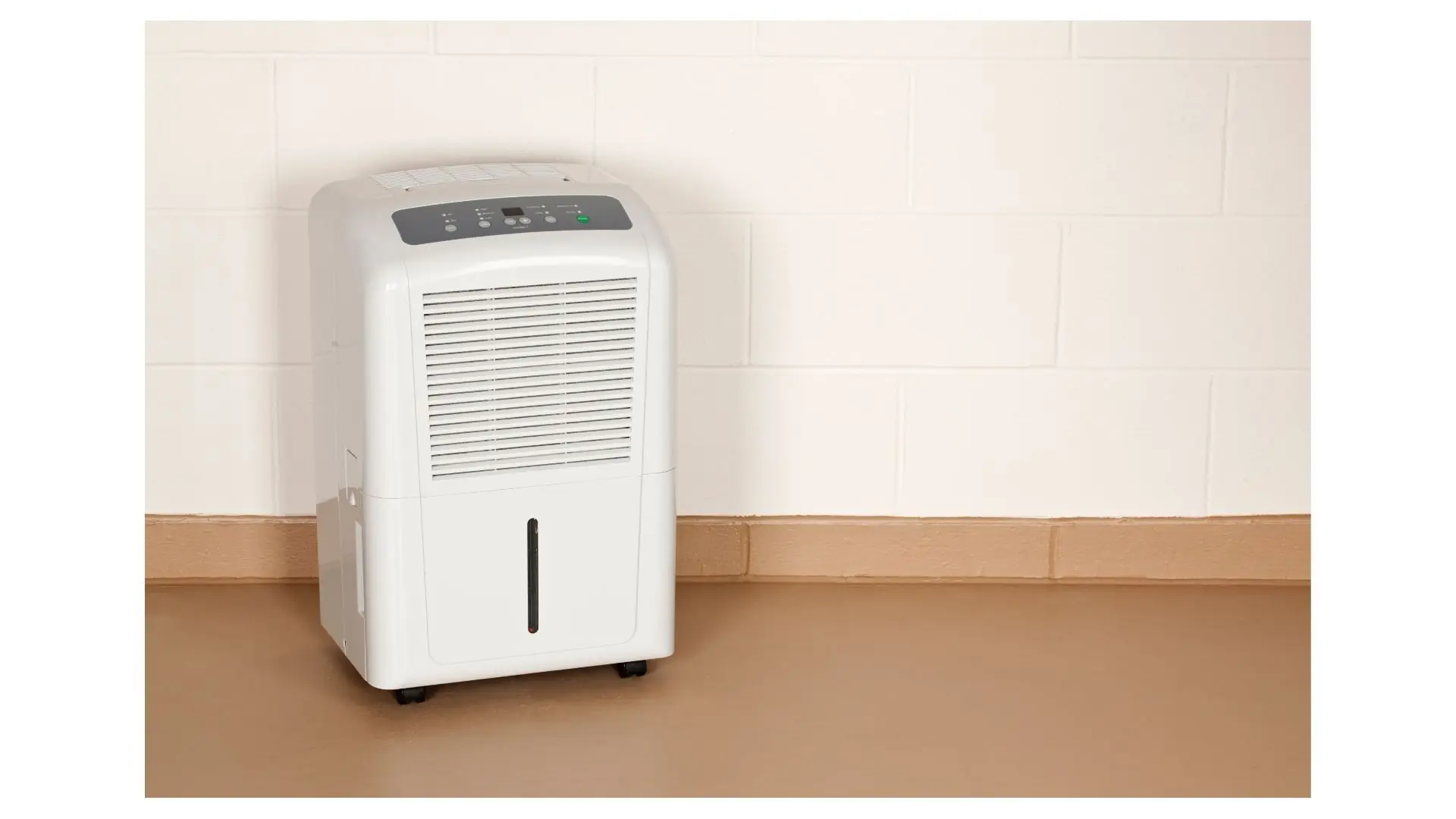
If your AC runs constantly all summer but your home still feels muggy, sticky, or just plain uncomfortable, you're not imagining it. Branson and the Table Rock Lake area sit in one of the most humid pockets of Missouri, and a standard air conditioner alone often can't keep up. The solution most homeowners overlook is a whole home dehumidifier in Branson MO, an integrated system that works alongside your AC to pull moisture out of the air and keep your home comfortable, healthy, and protected.
In this guide, we'll explain why our local climate is so hard on homes, what excess humidity actually does to your house and your health, how a whole-home dehumidifier works, and why it usually pays for itself through lower energy bills and longer AC life. By the end, you'll know whether one belongs in your home.
Why the Ozarks Are So Humid in Summer
Missouri summers are humid statewide, but the Branson region tops the list for a few specific reasons:
- Table Rock Lake. Large bodies of water continuously evaporate moisture into the surrounding air, raising humidity levels for miles around.
- Dense tree cover. Forests transpire enormous amounts of water into the atmosphere through their leaves, especially during hot weather.
- Gulf moisture flow. Warm, wet air pushes north from the Gulf of Mexico through summer, regularly bringing dew points into the 70s.
- Frequent rain. Summer thunderstorms add ground moisture that continues evaporating long after the storm passes.
The combined effect is dew points and relative humidity levels well above what most air conditioners are designed to handle. Your AC removes some moisture as a byproduct of cooling, but in extreme conditions, it simply can't pull out enough.
What Excess Humidity Does to Your Home and Health
Indoor humidity above 60% is more than a comfort issue. It actively damages your home and creates health risks. Here's what's happening when your home stays muggy summer after summer:
Mold and Mildew Growth
Mold needs three things to grow: moisture, warmth, and a food source like wood, drywall, or fabric. The U.S. Environmental Protection Agency identifies humidity control as the single most effective way to prevent indoor mold. In humid Branson basements, bathrooms, and crawl spaces, mold can take hold within 48 hours of favorable conditions.
Wood and Structural Damage
Wood is hygroscopic, which means it absorbs moisture from the air. Over time, high humidity causes hardwood floors to cup or warp, doors and windows to swell and stick, trim and cabinetry to separate, and even wooden furniture to deteriorate. These are expensive repairs that humidity control prevents.
Musty Odors
That distinct "old house smell" is rarely about the age of the home. It's about moisture trapped in carpets, walls, and upholstery, feeding bacteria and mold. Even spotless homes can develop a musty smell when humidity sits high for months.
Dust Mite and Allergen Explosions
Dust mites thrive in humid conditions. Their populations multiply rapidly above 50% humidity. Their waste is one of the most common indoor allergens, triggering asthma, allergies, and chronic congestion.
Discomfort Even With the AC On
This is the most noticeable effect. High humidity makes your skin feel sticky and prevents sweat from evaporating, so your body can't cool itself efficiently. The result is that 74-degree air at 65% humidity feels much warmer than 74-degree air at 45% humidity, even though the thermostat reads the same. It's why homes throughout Branson and the Table Rock Lake area can feel uncomfortable on muggy days no matter how hard the AC works.
How a Whole-Home Dehumidifier Works
A whole-home dehumidifier is installed directly into your HVAC system, usually near the air handler. As air circulates through your ducts, the dehumidifier pulls it across cold coils that cause moisture to condense out, just like a cold drink "sweating" on a hot day. The dry air continues into your home, and the water drains away through a dedicated line.
The system works in two important ways:
- Independent operation. It can run even when your AC isn't cooling, which matters during cool, rainy summer days when humidity is high but temperature isn't.
- Whole-home coverage. Because it uses your existing ductwork, it dehumidifies every room of the house, not just one space.
Most units include a built-in humidistat that monitors moisture levels and runs the system automatically to maintain your target humidity, hands-off, all summer.
Portable vs. Whole-Home Dehumidifiers
You can buy a portable dehumidifier at any hardware store for a few hundred dollars. So why install a whole-home unit instead? Here's the honest comparison:
Portable Units
Portable dehumidifiers work fine for one room, like a damp basement or a single bedroom. But they have real limits. They only treat the space they sit in, you have to empty the water tank manually (often daily during humid weeks), they're loud, they take up floor space, and they don't move enough air to handle a whole home.
Whole-Home Units
A whole-home dehumidifier solves all of those problems. It treats every room your HVAC reaches, drains automatically, runs quietly in your mechanical room (often a basement, garage, or utility closet), and is sized to handle the full moisture load of your home. For a typical Branson house, one whole-home unit replaces three or four portable units, and the long-term cost difference is often smaller than people expect.
For homes with serious humidity issues, lake-area properties, or anyone who cares about their indoor air quality, the whole-home option is almost always the better investment.
How Dehumidifiers Reduce AC Strain and Save Energy
Here's a counterintuitive truth: a dehumidifier can lower your summer energy bills. It sounds backward because you're adding another appliance, but the math works out for two reasons:
- Dry air feels cooler. With humidity controlled, your home feels comfortable at 75 or 76 degrees instead of 71 or 72. Every degree you raise the thermostat saves roughly 3 to 5% on cooling costs.
- Your AC works less. Removing humidity is hard, energy-intensive work. When a dedicated dehumidifier handles that job, your AC runs less, cycles less, and lasts longer.
- Equipment lasts longer. Less runtime means less wear on your compressor, blower motor, and other expensive components. Many Branson homeowners report their AC lasting years longer after adding a dehumidifier.
Over the lifespan of your HVAC system, the combined savings on energy bills and avoided repairs often exceed the cost of the dehumidifier itself.
Ideal Indoor Humidity Levels (and How to Track Them)
The American Society of Heating, Refrigerating and Air-Conditioning Engineers recommends keeping indoor relative humidity between 40 and 55% for comfort, health, and home preservation. Here's why those numbers matter:
- Below 30%: too dry, leading to chapped skin, static electricity, and cracked wood
- 30 to 50%: the comfort sweet spot, hostile to mold and dust mites
- 50 to 60%: borderline, mold risk starts climbing
- Above 60%: uncomfortable, unhealthy, and damaging
You can monitor humidity with a simple hygrometer, available at any hardware store for under $20. If yours reads above 55% during summer, your home would likely benefit from a whole-home dehumidifier.
Installation: What to Expect
Adding a whole-home dehumidifier is usually a straightforward project. Most installations take a single day. Here's the typical process:
- Assessment. We measure your home, evaluate your existing HVAC system, and check humidity levels in different areas to size the right unit for you.
- Equipment selection. We install dehumidifiers compatible with all major HVAC brands. You get options at different price points and capacities.
- Installation day. Our team integrates the dehumidifier with your existing ductwork, connects the drain line, wires it to power, and configures the humidistat.
- Testing and walkthrough. We verify the system is pulling moisture properly, set your target humidity, and walk you through how to monitor and adjust it.
Pairing your new dehumidifier with our regular maintenance plan keeps both your AC and your dehumidifier running at peak performance year after year.
Dehumidifiers and Overall Indoor Air Quality
Humidity control is one piece of a healthy indoor environment. For Branson homeowners dealing with allergies, asthma, or musty air, a dehumidifier works best as part of a broader indoor air quality strategy that may also include upgraded filtration, UV air purifiers, and regular HVAC maintenance. Our cooling maintenance service can put together a complete plan tailored to your home during a free assessment.
Stop Fighting the Ozarks Humidity
Branson summers don't have to mean sticky air, musty smells, and an AC that never seems to keep up. A whole-home dehumidifier handles the moisture problem at its source, protecting your home, lowering your energy bills, and extending the life of your HVAC system. Whether you're battling chronic humidity, worried about mold, or just tired of feeling muggy indoors, the Now! Heating & Cooling team can help.
Ready to schedule? Call (417) 757-0106 or request a free estimate. Same-day and next-day appointments available across Branson and the Table Rock Lake area.
Frequently Asked Questions
How much does a whole-home dehumidifier cost in Branson?
Whole-home dehumidifier installation typically ranges from $2,000 to $3,500 depending on home size, unit capacity, and ductwork modifications. We provide free in-home estimates with clear written pricing.
Doesn't my air conditioner already remove humidity?
Yes, but only as a byproduct of cooling. In Branson's humid climate, most AC units can't pull out enough moisture to keep humidity below 55%, especially during mild, rainy weather when the AC barely runs.
How do I know if I need a whole-home dehumidifier?
Common signs include muggy indoor air despite the AC running, musty smells, condensation on windows, mold spots, warped wood, or allergy symptoms that worsen indoors. A hygrometer reading above 55% confirms a humidity problem.
Will a dehumidifier really lower my energy bills?
In most Branson homes, yes. Dry air feels cooler, so you can raise the thermostat several degrees without losing comfort. Combined with reduced AC runtime, many homeowners see noticeable summer energy savings.
How often does a whole-home dehumidifier need maintenance?
Annual service is recommended, ideally at the same time as your spring AC tune-up. Maintenance includes coil cleaning, drain line inspection, and humidistat calibration.
Will it work with my existing HVAC system?
Almost certainly. Modern whole-home dehumidifiers are compatible with all major HVAC brands and most home configurations. We'll confirm compatibility during your free assessment.