June 13, 2026
Is Your AC the Right Size? Signs of an Improperly Sized System in Branson
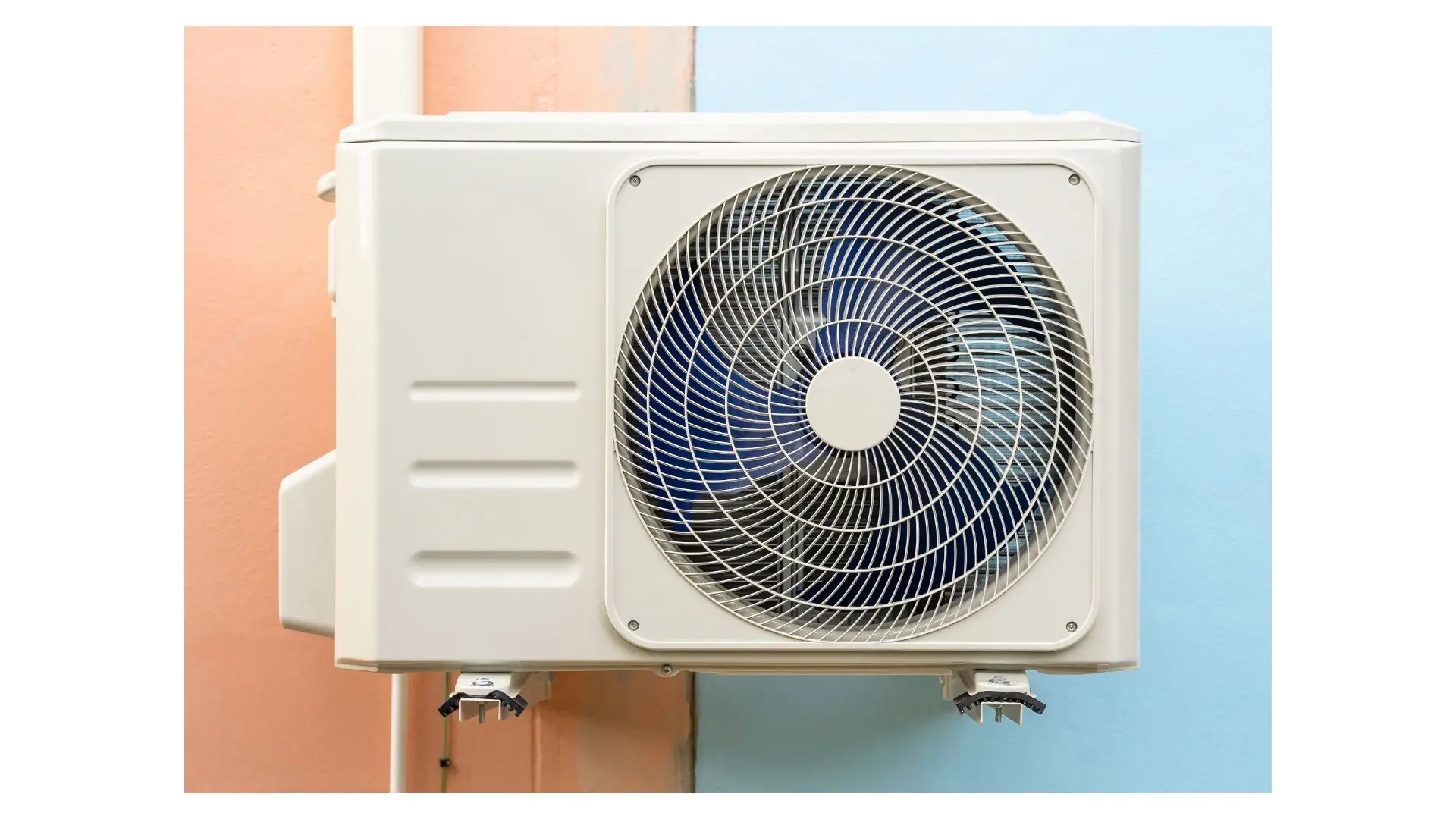
When homeowners think about air conditioning problems, they usually picture a broken part or an aging unit. But one of the most common and costly issues has nothing to do with a malfunction at all. It's the size of the system itself. Getting AC sizing in Branson MO right is one of the single most important factors in whether your home stays comfortable, your bills stay reasonable, and your equipment lasts. An AC that's too big or too small will struggle no matter how new or well-maintained it is.
In this guide, we'll explain why sizing matters so much, how to spot the warning signs of an oversized or undersized system, what a proper sizing calculation involves, and why the old "bigger is better" instinct actually works against you in HVAC. By the end, you'll know how to tell whether your system is right for your home.
Why Correct AC Sizing Matters More Than You Think
An air conditioner's capacity is measured in tons or BTUs, and it needs to match the specific cooling load of your home. When the match is right, the system runs in smooth, efficient cycles that cool your home evenly and pull humidity out of the air. When it's wrong, everything suffers.
A properly sized AC delivers three things a mismatched one can't:
- Consistent comfort. Even temperatures across every room, without hot and cold spots.
- Efficient operation. Lower energy bills because the system isn't wasting power fighting itself.
- Proper humidity control. Especially important in Branson, where pulling moisture from the air is half the job.
Because sizing affects comfort, cost, and equipment life all at once, getting it wrong is expensive in every sense. And in the humid Branson climate, the humidity-control failures of a mis-sized system are felt right away.
Signs Your AC Is Too Big
It sounds strange, but an oversized air conditioner is often worse than one that's slightly too small. Here's what an oversized system does:
Short Cycling
An oversized AC cools the air near the thermostat very quickly, then shuts off, only to turn back on a few minutes later. This rapid on-off pattern is called short cycling. It wastes energy, puts extra wear on components, and shortens the life of your system. If your AC seems to turn on and off constantly in short bursts, oversizing is a likely cause.
Poor Humidity Control
Removing humidity takes time. An AC needs to run in longer cycles to pull moisture out of the air. An oversized unit cools so fast that it shuts off before it can dehumidify properly. The result is a home that feels cold and clammy at the same time, which is a common complaint in oversized Branson systems.
Uneven Temperatures
Because it cools in quick bursts, an oversized system doesn't run long enough to circulate air evenly through the whole house. Rooms near the thermostat get cold while distant rooms stay warm, leaving you with frustrating hot and cold spots.
Higher Bills and More Repairs
All that starting and stopping uses more electricity than steady operation, and the added wear leads to more frequent breakdowns. An oversized AC costs more to run and more to maintain.
Signs Your AC Is Too Small
An undersized air conditioner has the opposite problem. It simply can't keep up with the cooling demand of your home, especially during peak Branson summer heat.
Constant Running
An undersized system runs almost nonstop trying to reach the temperature you set, and often never quite gets there. If your AC runs all day and rarely cycles off during hot weather, it may be too small for your home.
Never Reaching the Set Temperature
On the hottest days, an undersized unit falls behind. You set it to 74, but the house never drops below 78. The system is working as hard as it can, but it doesn't have the capacity to match the load.
High Bills From Endless Operation
Running constantly uses a lot of electricity. An undersized AC can drive up your bills just as much as an oversized one, even though it never fully cools your home. You end up paying more for less comfort.
Premature Wear
A system that never gets a break wears out faster. The constant strain leads to early component failure and a shorter lifespan. If you're already seeing breakdowns, a cooling repair visit can help determine whether sizing is the root cause.
What Is a Manual J Load Calculation?
So how do professionals determine the right size? The industry-standard method is called a Manual J load calculation. Rather than guessing based on square footage alone or simply matching your old unit, a Manual J calculation accounts for all the factors that affect how much cooling your home actually needs. Both ENERGY STAR and the U.S. Department of Energy recommend a proper load calculation as the correct way to size a system.
A thorough load calculation considers:
- Total square footage and ceiling height
- Quality and amount of insulation
- Number, size, and orientation of windows
- Sun exposure and shading
- Number of occupants
- Local climate, including Branson's high summer humidity
- Ductwork layout and condition
This is why a contractor who quotes you a system size based only on the size of your old unit, or a rough square-footage rule, is cutting a critical corner. Your old unit may have been wrong from day one, and no two homes are exactly alike.
Factors That Affect the Right Size for Your Home
Two homes with identical square footage can need very different sized systems. Here's why the details matter so much:
- Insulation. A well-insulated home holds cool air and needs less capacity. A poorly insulated one loses cool air constantly.
- Windows. Large or south- and west-facing windows let in heat, increasing the cooling load. Older single-pane windows make it worse.
- Shade and orientation. A home shaded by trees needs less cooling than one baking in full sun all afternoon.
- Humidity. Branson's humid air adds to the workload because the system has to remove moisture, not just lower the temperature.
- Home layout. Open floor plans, multiple stories, and room usage all change how cooling should be distributed.
A professional sizing assessment weighs all of these together, which is the only way to land on a system that truly fits your specific home.
Why Bigger Is Not Better in HVAC
There's a common instinct that a bigger AC will cool your home better and faster. In reality, oversizing causes more problems than it solves. A bigger unit cools the air too quickly, shuts off before removing humidity, cycles on and off constantly, wears out faster, and costs more to run and repair.
The goal isn't maximum power. It's the right amount of power for your home, running in long, steady, efficient cycles. That's what keeps you comfortable, keeps humidity in check, and keeps your energy bills reasonable through a long Branson summer. Right-sized always beats oversized.
How Now! Heating & Cooling Sizes Systems Correctly
When you work with our team on a new system, we never guess and we never simply match your old unit. Our process is built around getting the size right the first time:
- On-site evaluation. We visit your home, measure your space, and assess insulation, windows, and layout in person.
- Proper load calculation. We account for all the factors that affect cooling demand, not just square footage.
- Honest recommendations. We recommend the size that actually fits your home, not the most expensive unit we can sell.
We also back your system with regular cooling maintenance to keep it running at peak performance for years. If you're planning a replacement, our approach to correct AC installation starts with sizing your system right. Homeowners across Branson and the Table Rock Lake area trust us to get it right the first time.
Not Sure If Your AC Is the Right Size?
If your home has hot and cold spots, feels clammy even when the AC runs, cycles on and off constantly, or never quite reaches the temperature you set, sizing may be the hidden culprit. The only way to know for sure is a professional assessment that looks at your whole home, not just a number on a nameplate. Whether you're troubleshooting your current system or planning a replacement, the Now! Heating & Cooling team will give you an honest answer.
Ready to schedule? Call (417) 757-0106 or request a free estimate. Same-day and next-day appointments available across Branson and the Table Rock Lake area.
Frequently Asked Questions
How do I know if my AC is the wrong size?
Common signs of an oversized AC include short cycling, clammy air, and uneven temperatures. Signs of an undersized AC include constant running and never reaching the set temperature. A professional load calculation confirms the right size.
Is a bigger AC better?
No. An oversized AC cools too fast, fails to remove humidity, cycles on and off constantly, and wears out faster. The right size, running in longer steady cycles, delivers better comfort and lower bills than an oversized unit.
What is a Manual J load calculation?
It's the industry-standard method for sizing an AC. It accounts for square footage, insulation, windows, sun exposure, occupants, and local climate like Branson's humidity, rather than guessing based on square footage alone.
Can the wrong size AC raise my energy bills?
Yes. Both oversized and undersized systems waste energy. Oversized units short cycle, and undersized units run constantly. Either way, you pay more for less comfort. A properly sized system runs efficiently.
Why does humidity matter for AC sizing in Branson?
Removing humidity takes time and requires longer cooling cycles. In Branson's humid climate, an oversized AC that shuts off too quickly can't dehumidify properly, leaving your home cold and clammy. Correct sizing solves this.
Should I just replace my AC with the same size I had?
Not necessarily. Your old unit may have been sized incorrectly, and home changes like new windows or insulation affect the load. A fresh load calculation ensures your new system is the right size for your home today.