July 21, 2026
Ductwork Problems in Branson Homes: Leaky Ducts, Hot Spots, and What to Do About Them
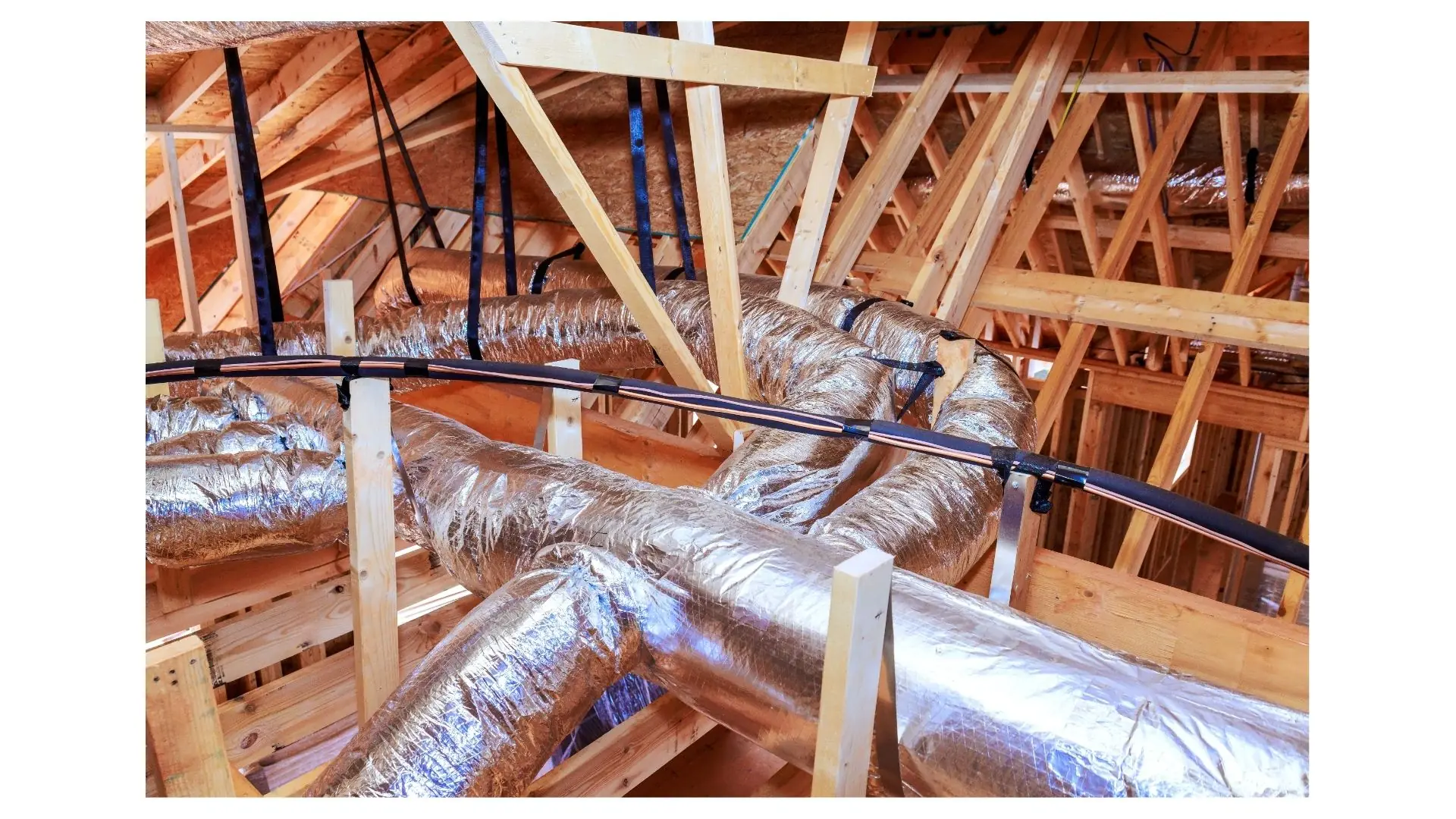
You can have a brand new, perfectly sized air conditioner and still end up with hot rooms, high bills, and uneven comfort. The reason is often hidden in your walls, attic, and crawl space: your ductwork. When ducts leak or come apart, the cool air you're paying for escapes before it ever reaches your rooms. Professional ductwork repair in Branson MO can recover that lost air, even out your temperatures, and lower your energy bills, often more dramatically than any other single fix.
In this guide, we'll explain how much energy leaky ducts really waste, the warning signs to watch for, what causes duct problems in the first place, when sealing is enough versus when replacement makes sense, and how dirty ducts affect the air your family breathes. By the end, you'll know whether your ductwork is quietly costing you comfort and money.
How Leaky Ducts Waste 20 to 30% of Your Cooled Air
Your duct system is the network of passages that carries conditioned air from your HVAC unit to every room in your home. When those ducts are sealed and intact, nearly all the cool air reaches its destination. But according to ENERGY STAR, the typical home loses about 20 to 30% of the air moving through its duct system to leaks, holes, and poor connections.
Think about what that means. If nearly a third of your cool air is leaking into your attic, crawl space, or wall cavities, your AC has to run much longer to make up the difference. You're paying to cool spaces you don't even live in. That wasted air is one of the most common and most overlooked reasons Branson energy bills run higher than they should.
Sealing those leaks keeps the air where it belongs, which means your system works less, your rooms cool evenly, and your bills drop.
Signs Your Home Has Duct Problems
Duct problems often go unnoticed because the ducts themselves are hidden from view. Instead of seeing the problem, you feel it. Watch for these warning signs:
Hot and Cold Rooms
If some rooms never get comfortable while others are fine, uneven airflow from duct leaks or disconnected sections is a common cause. That back bedroom that's always too warm may not be getting the air it should because it's escaping somewhere along the way.
Higher Than Expected Energy Bills
When your system runs longer to compensate for lost air, your bills climb. If your cooling costs have crept up without a clear reason, leaky ducts are a strong suspect, especially in the long Branson cooling season.
Excessive Dust
Leaky ducts don't just let air out. They pull air in from dusty attics, crawl spaces, and wall cavities. If your home is unusually dusty no matter how often you clean, your ducts may be drawing in debris and distributing it through your vents.
Weak Airflow at the Vents
If air is barely trickling out of certain registers, a duct may be crushed, disconnected, or leaking badly upstream. Strong, even airflow at every vent is a sign of a healthy duct system.
Common Causes of Duct Damage
Ducts don't fail randomly. A handful of specific causes are behind most duct problems we find in Branson homes:
- Age. Over years and decades, duct materials degrade, tape dries out, seams separate, and insulation deteriorates. Older ducts simply leak more.
- Poor original installation. Ducts that were badly sealed, poorly supported, or incorrectly sized from the start cause problems that only get worse with time.
- Rodents and pests. Mice, squirrels, and other critters chew through ducts and insulation, especially in attics and crawl spaces, creating leaks and contamination.
- Disconnected joints. Ducts can pull apart at their connections over time, particularly if they weren't fastened well originally or were disturbed during other home work.
- Crushing or damage. Storage boxes, foot traffic in attics, or settling can crush flexible ducts and restrict airflow.
Whatever the cause, the result is the same: air escaping where it shouldn't and comfort suffering as a result.
Duct Sealing vs. Duct Replacement: Which Do You Need?
Not every duct problem requires tearing out the whole system. The right fix depends on the condition of your ductwork.
When Duct Sealing Makes Sense
For ducts that are structurally sound but leaking at seams and connections, professional sealing is usually the answer. This involves sealing the leaks with proper materials to stop air loss. The U.S. Department of Energy identifies duct sealing as one of the most cost-effective ways to improve HVAC efficiency. It's less invasive and less expensive than replacement, and it delivers immediate results for most homes.
When Duct Replacement Makes Sense
Sometimes sealing isn't enough. If your ducts are severely deteriorated, badly damaged by pests, improperly sized, or so old that the material itself is failing, replacement is the smarter long-term investment. Replacement is also worth considering during a full system upgrade, when new ducts can be properly sized and sealed to match your new equipment. We'll always tell you honestly which approach fits your situation.
How Dirty Ducts Affect Your Indoor Air Quality
Duct problems aren't just about comfort and cost. They directly affect the air your family breathes. When ducts pull in air from attics and crawl spaces, they bring dust, pollen, mold spores, and other contaminants along with it, then circulate all of it through your home. This is a major contributor to poor indoor air quality in many Branson homes.
If anyone in your household deals with allergies, asthma, or unexplained respiratory symptoms, your ductwork could be part of the problem. Sealing leaks and keeping ducts clean prevents contaminated air from being drawn in and spread. Duct health and air quality go hand in hand, which is why we look at both together.
Why Branson's Older Homes Are Especially Prone to Duct Issues
The Branson and Table Rock Lake area has many charming older homes and cabins, and while they have character, their ductwork often shows its age. Older homes are especially prone to duct problems for several reasons:
- Ducts installed decades ago using materials and methods that have since degraded
- Original tape and sealant that has dried out and failed over the years
- Additions and renovations that connected new ductwork to old, sometimes poorly
- Crawl spaces and attics that invite pests and moisture in the humid climate
If you own an older home or cabin in the area, having your ductwork inspected is one of the highest-value steps you can take toward better comfort and lower bills. The savings from sealing decades-old leaks often surprise homeowners.
The Ductwork Inspection and Repair Process
Wondering what a duct inspection actually involves? Here's what to expect when our team looks at your system:
- Inspection. We examine your accessible ductwork for leaks, disconnections, crushing, pest damage, and insulation problems.
- Airflow assessment. We check airflow at your registers to identify where air is being lost or restricted.
- Findings and options. We show you what we found and explain your options honestly, whether that's sealing, targeted repair, or replacement.
- The repair. Once you approve, we seal leaks, reconnect joints, replace damaged sections, and restore proper airflow.
- Verification. We confirm the improvement so you know the work delivered results.
Duct inspection also pairs naturally with a seasonal maintenance plan, which keeps your entire system, ducts included, running efficiently year after year. We serve homeowners across Hollister, Branson, Reeds Spring, and the Table Rock Lake area.
Fix the Hot Spots and Lower Your Bills
If your home has rooms that never cool down, dust that keeps coming back, or energy bills that don't add up, your ductwork may be the hidden culprit. Sealing leaks and repairing damaged ducts is one of the most cost-effective improvements you can make, delivering better comfort, cleaner air, and lower bills all at once. The Now! Heating & Cooling team can inspect your system and tell you exactly what it needs.
Ready to schedule? Call (417) 757-0106 or request a free estimate at nowheatcool.com. Same-day and next-day appointments available across Branson and the Table Rock Lake area.
Frequently Asked Questions
How do I know if my ducts are leaking?
Common signs include rooms that never cool down, higher than expected energy bills, excessive dust, and weak airflow at some vents. A professional duct inspection can confirm leaks and pinpoint their location.
How much energy do leaky ducts waste?
The typical home loses about 20 to 30% of the air moving through its ducts to leaks and poor connections. Sealing those leaks keeps that air in your living space and can noticeably lower your cooling bills.
Is duct sealing worth the cost?
For most homes, yes. Duct sealing is one of the most cost-effective HVAC improvements available. By stopping air loss, it lowers your bills, evens out your temperatures, and reduces strain on your system, often paying for itself over time.
Do I need to seal or replace my ducts?
It depends on their condition. Structurally sound ducts that leak at seams usually just need sealing. Severely deteriorated, pest-damaged, or improperly sized ducts may need replacement. An inspection determines the right approach.
Can leaky ducts affect my indoor air quality?
Yes. Leaky ducts pull in dust, pollen, and mold spores from attics and crawl spaces, then circulate them through your home. This can worsen allergies and asthma. Sealing ducts helps keep contaminated air out of your living space.
Why are older Branson homes more likely to have duct problems?
Older homes often have ducts installed decades ago with materials that have degraded, dried-out sealant, and connections disturbed by additions or renovations. The humid climate and pest activity in attics and crawl spaces add to the wear.